Back Home…
If you’ve spent any time on this site, you know that I hail from Lima, and that I return often—sharing walks, meals, rides, and small adventures along the way. On this particular trip, I spent ten days doing what I enjoy most when I’m home: walking the city, eating exceptionally well, and riding my bike.
This visit followed a familiar rhythm. Early morning walks became a daily ritual, I squeezed in a challenging ride along the coast, and—unsurprisingly—added a few pounds sampling what I still believe is some of the best food (and drink) on the planet.
There was, however, one notable difference this time around.
Instead of simply eating at home or visiting Lima’s many outstanding restaurants, we booked a half-day excursion with Haku Tours to visit a local market, purchase ingredients, and then cook two classic Peruvian dishes: cebiche and lomo saltado.
El Mercado
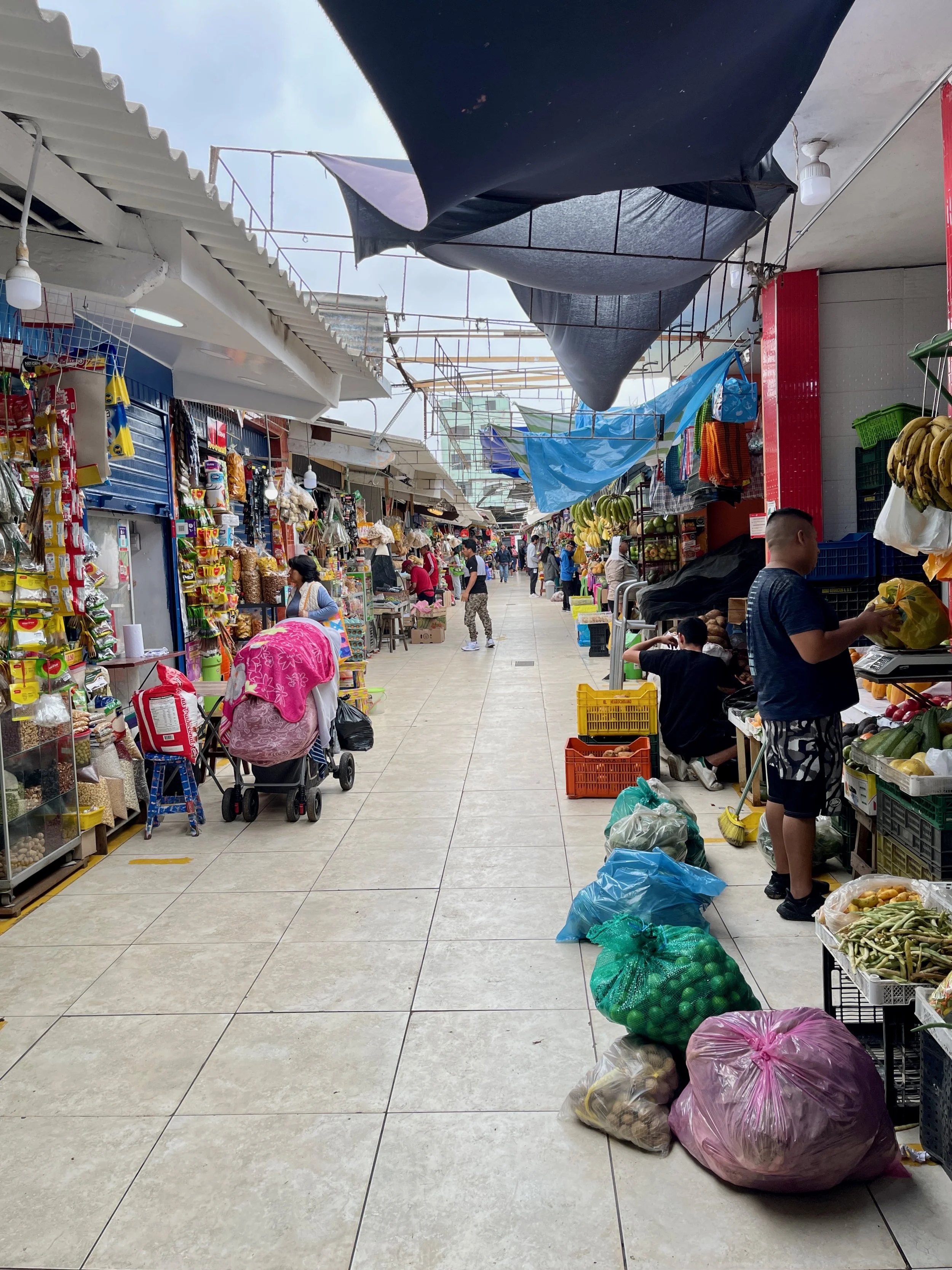
After meeting our guides, we headed to the Surquillo district to visit Mercado No. 2. A visit to the market offers a glimpse into everyday local life—something many visitors, and even some locals, rarely experience. For me, it had been more than two decades since I last stepped into this particular market.
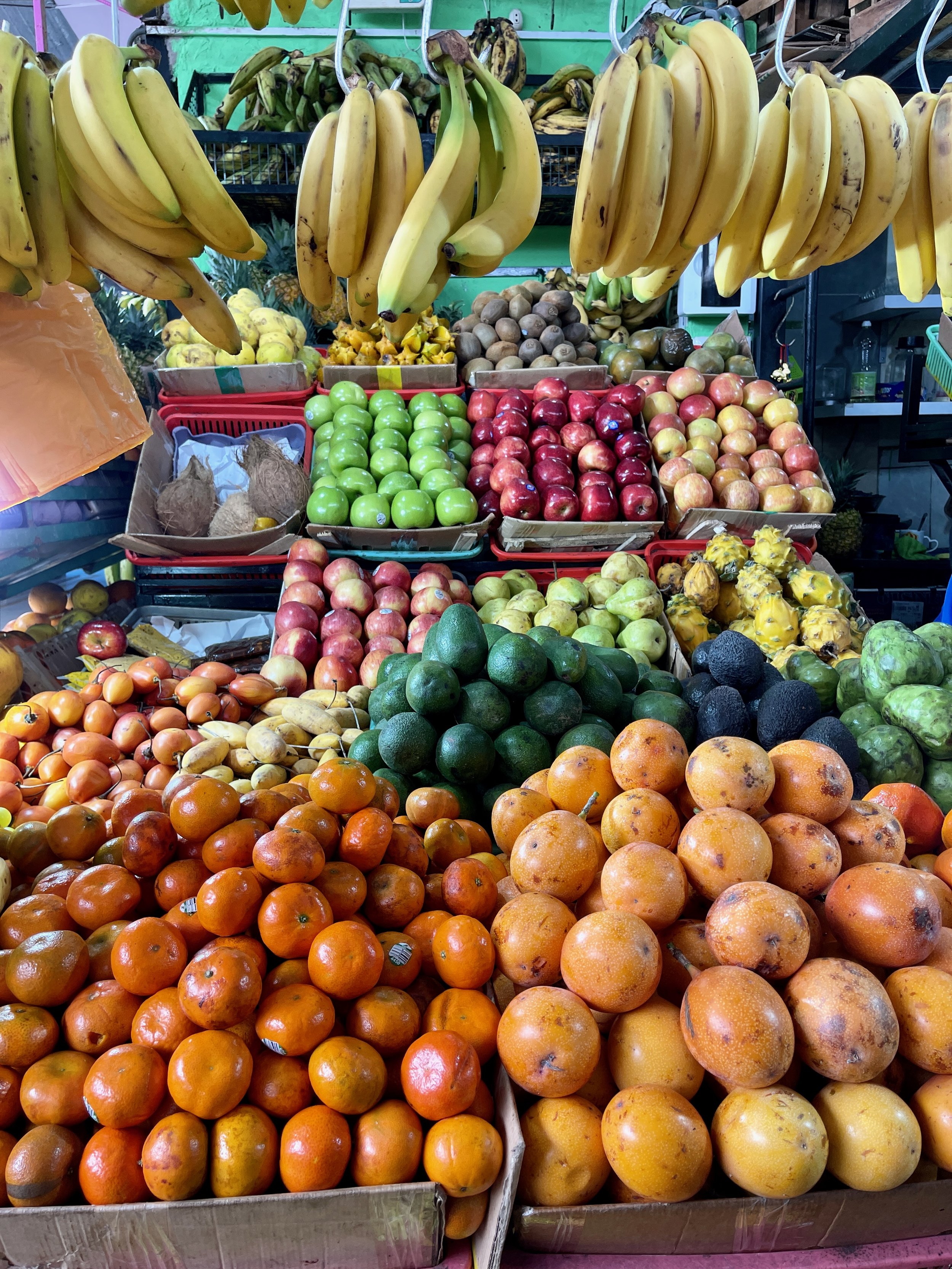
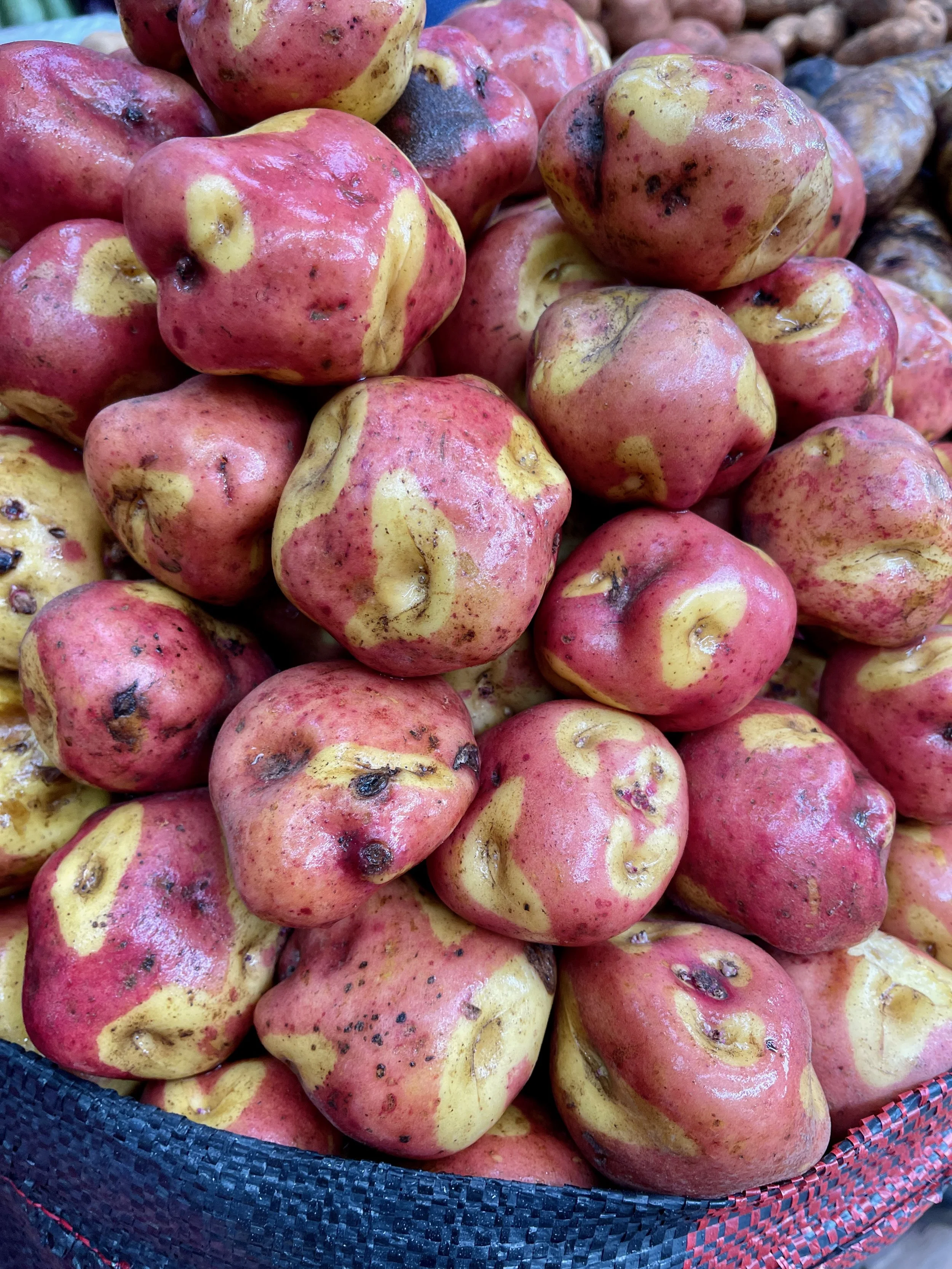
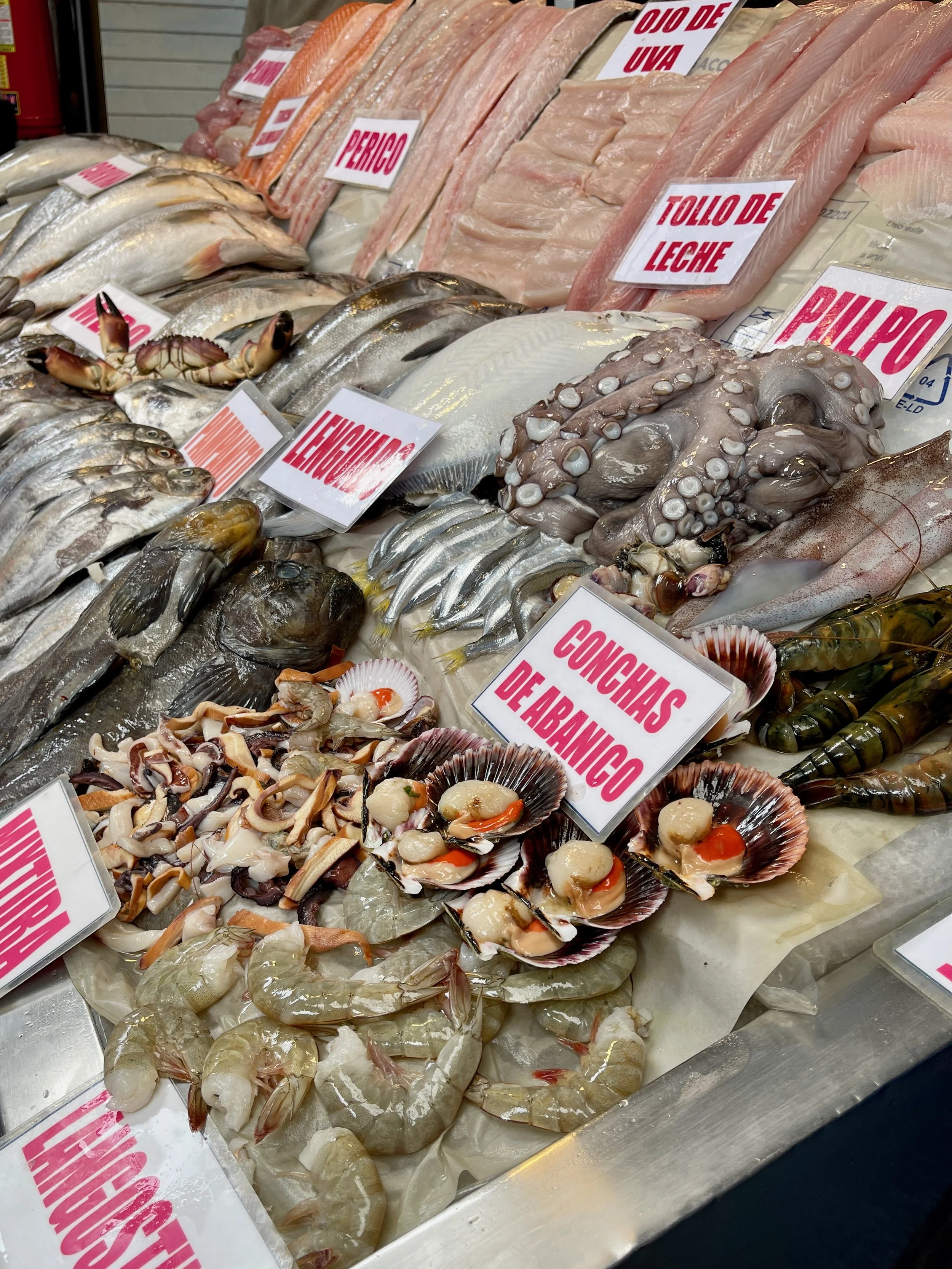
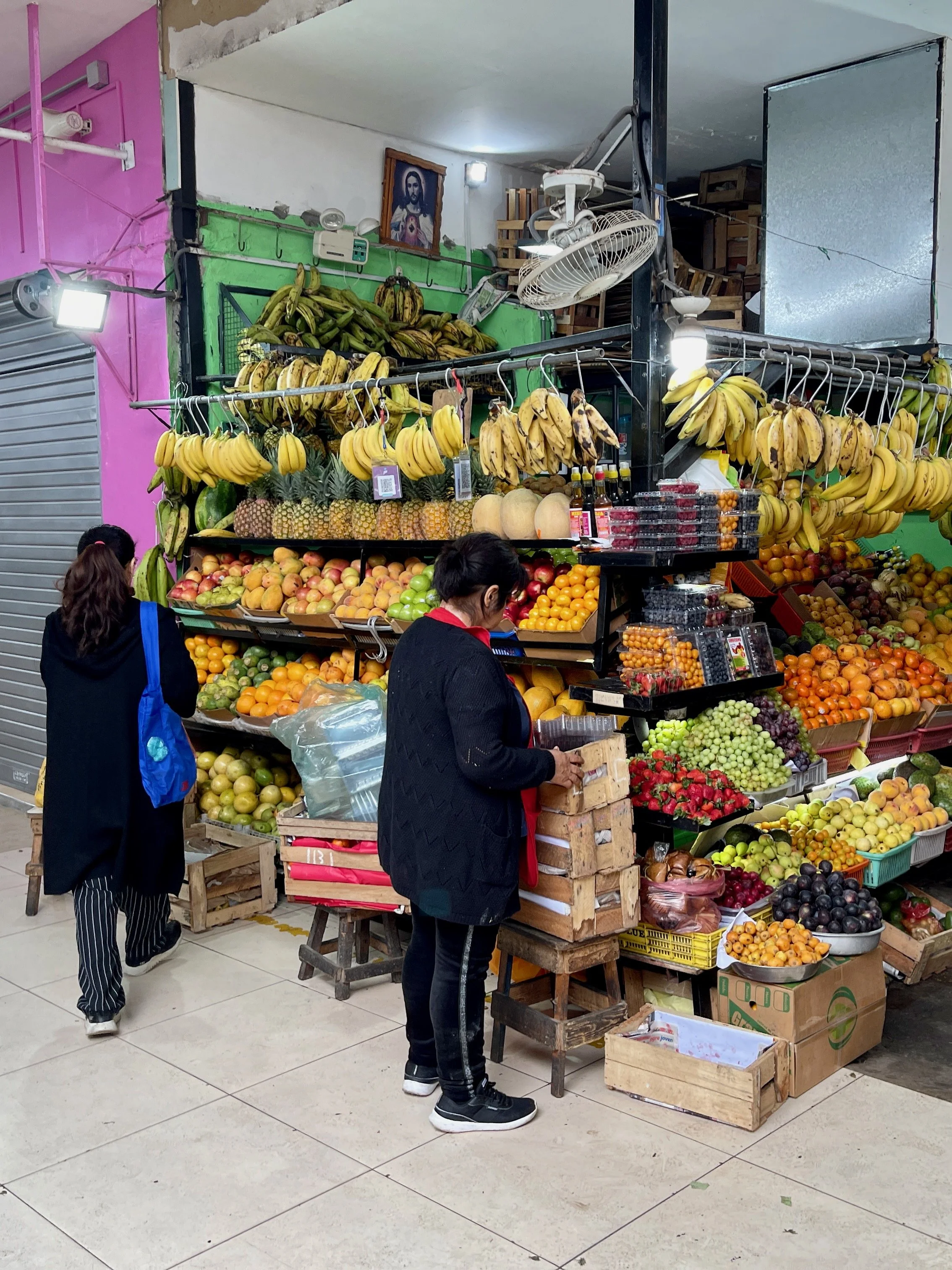
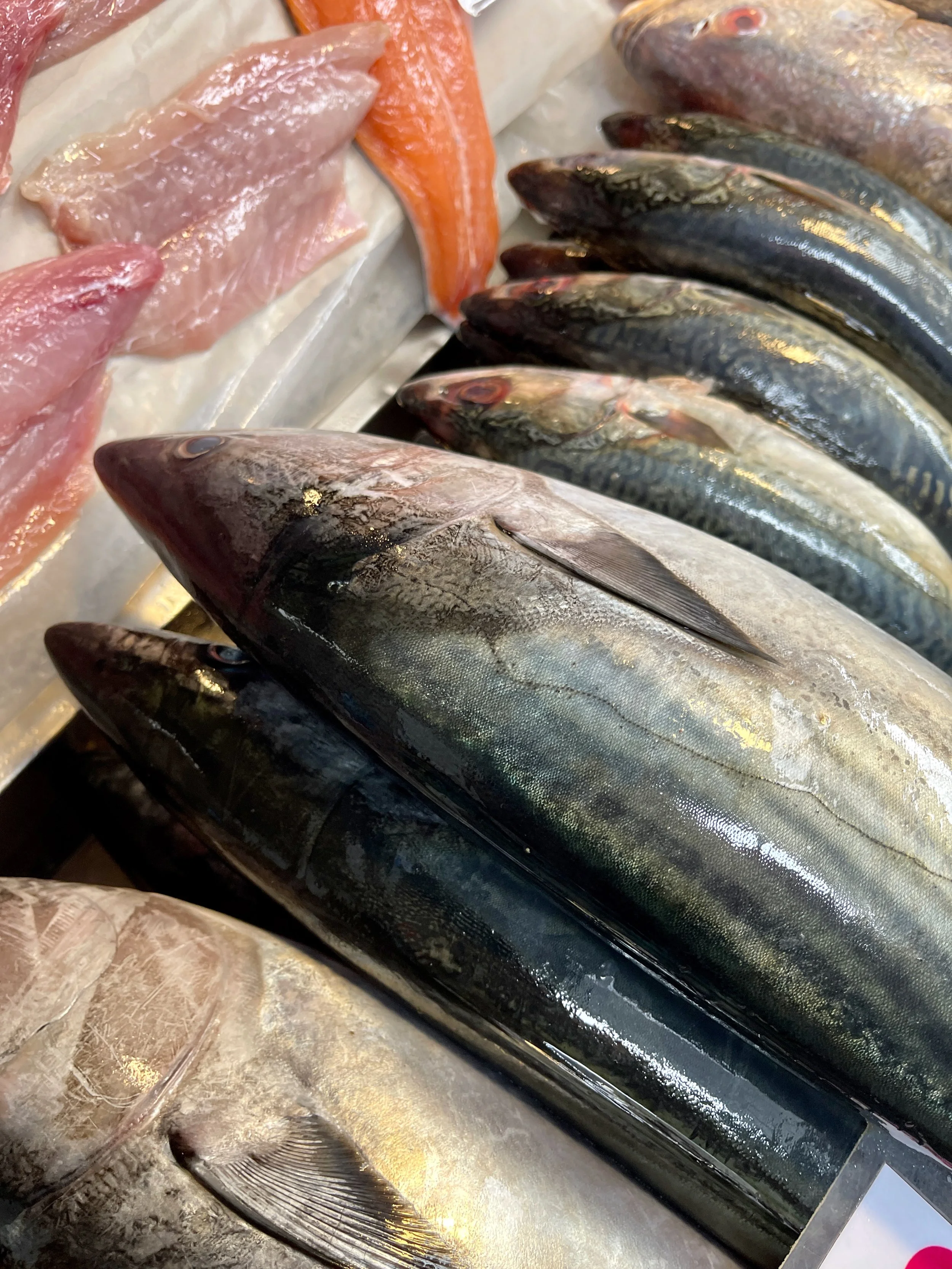
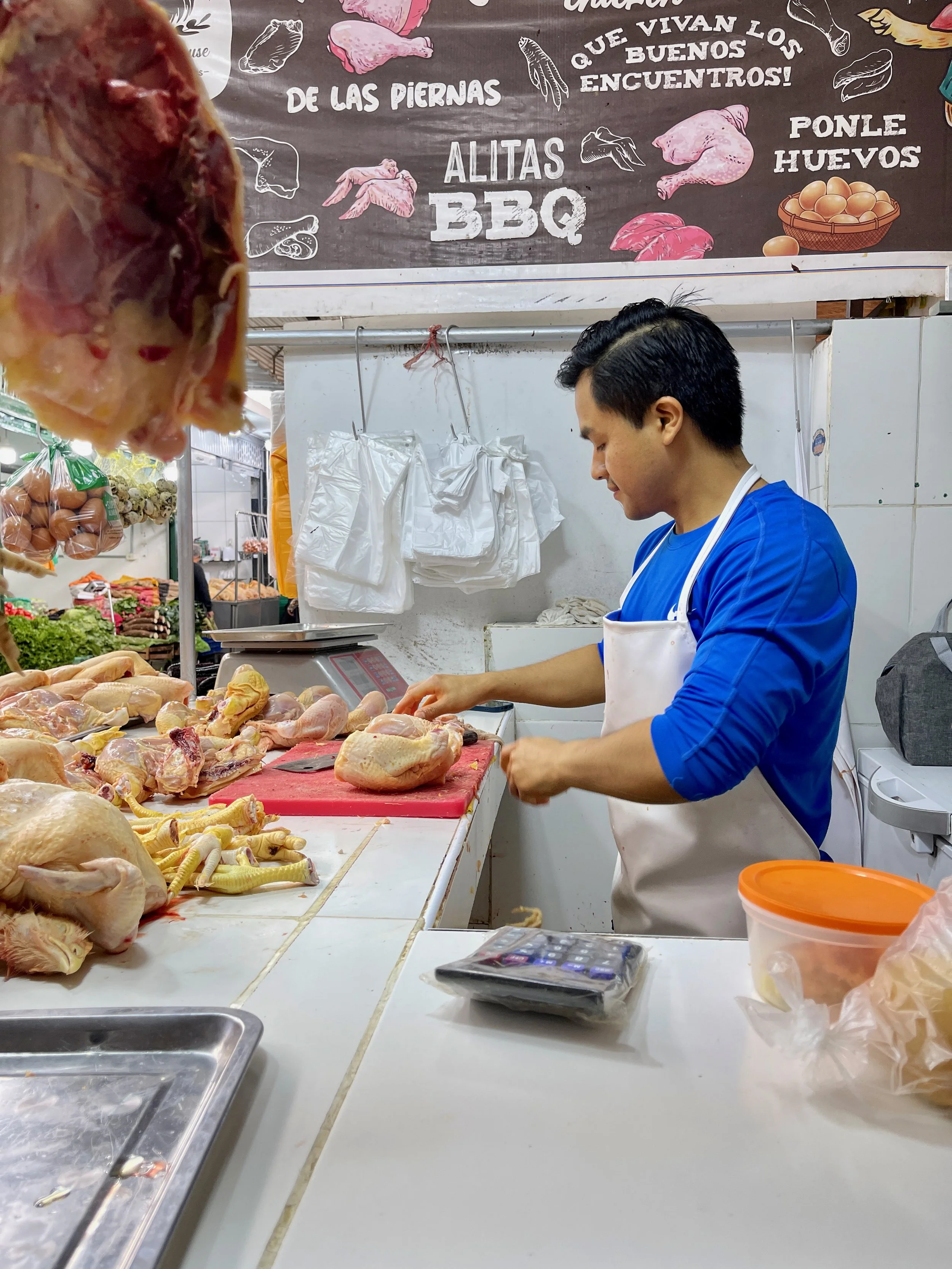
The visit was a welcome break from my usual routine and a chance to take in the incredible variety of fruits, vegetables, meats, and seafood that are uniquely Peruvian. The colors alone were striking. Below is a small sampling of what caught my eye as we moved from stall to stall.
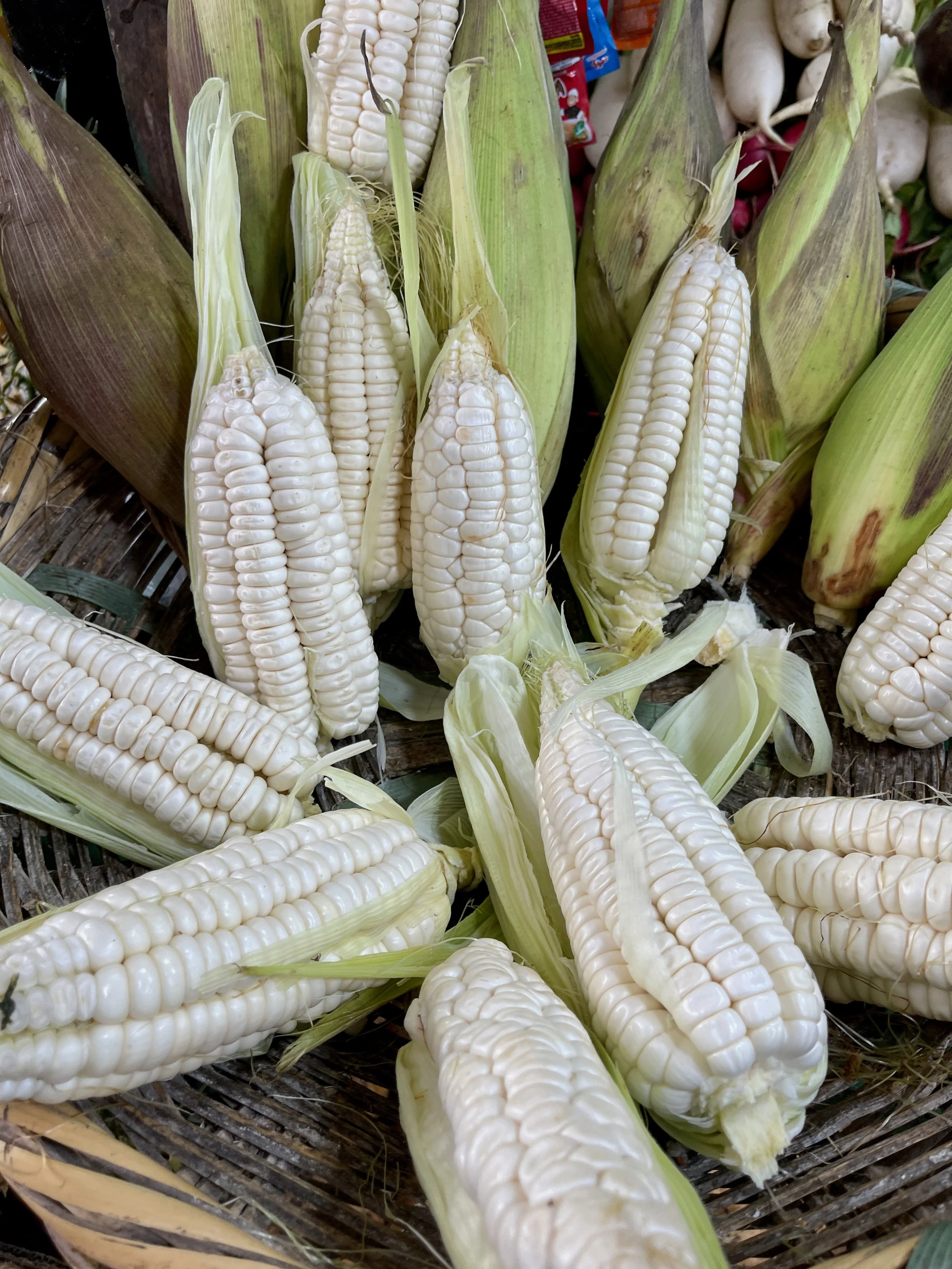
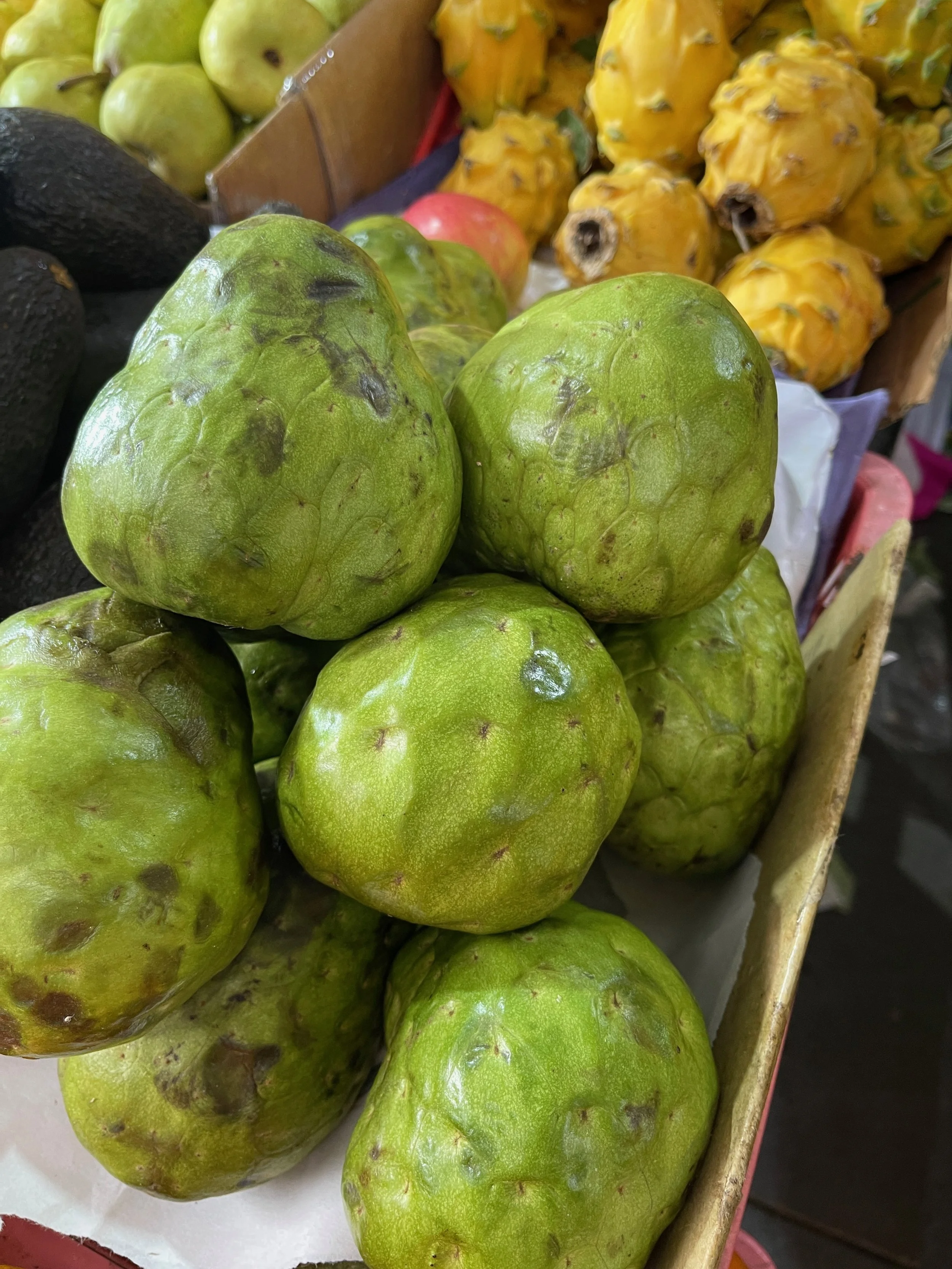
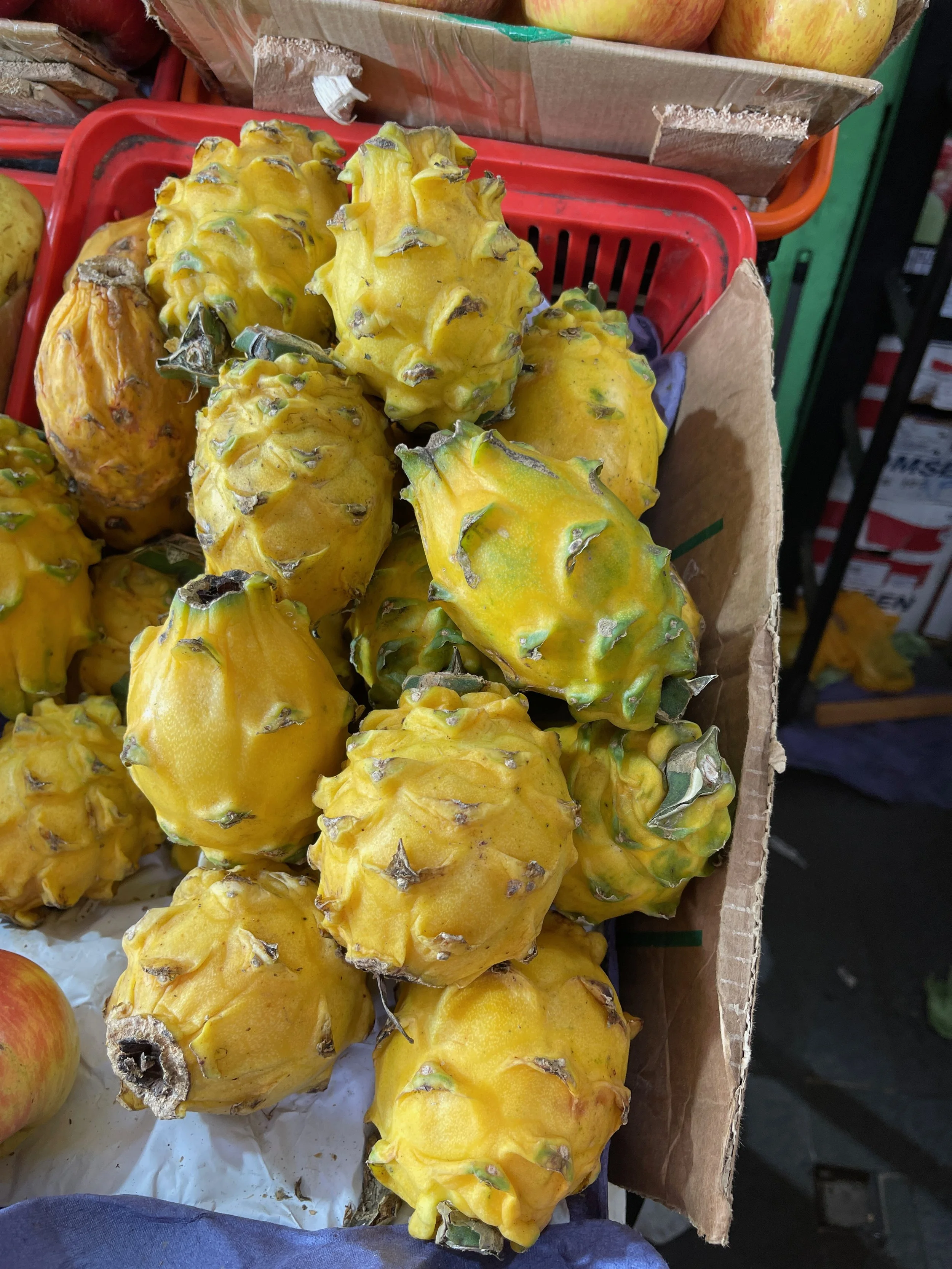
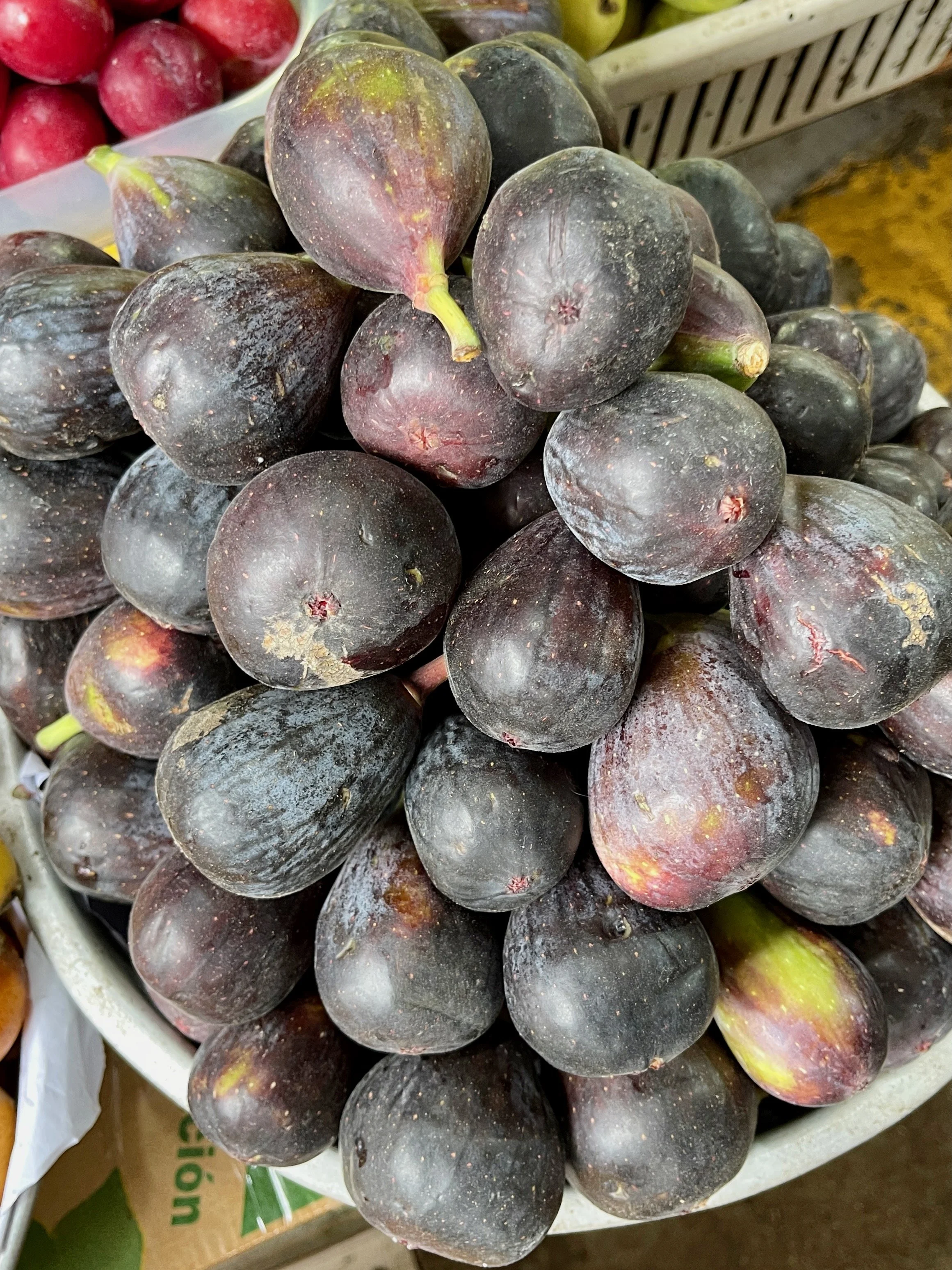
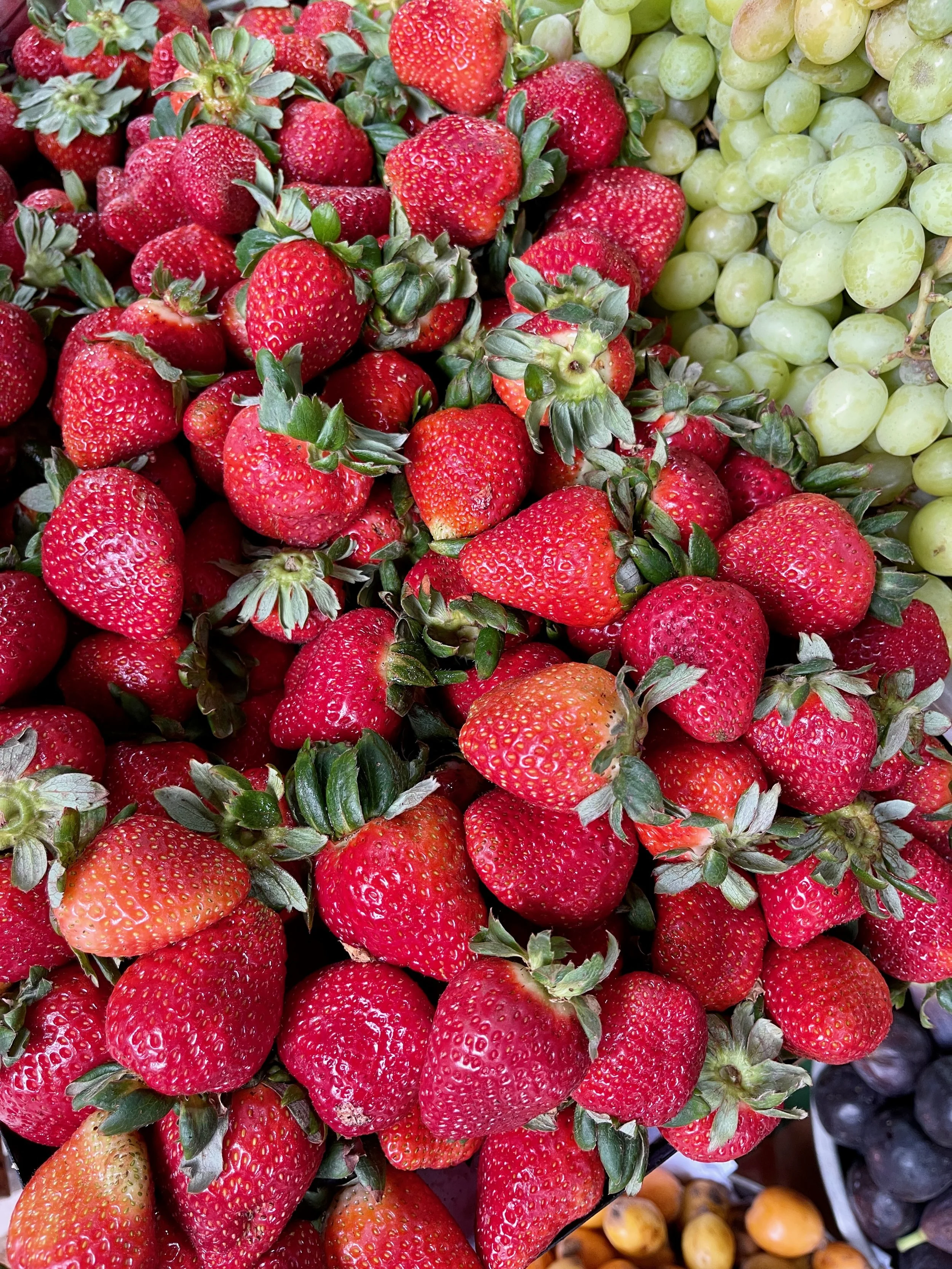
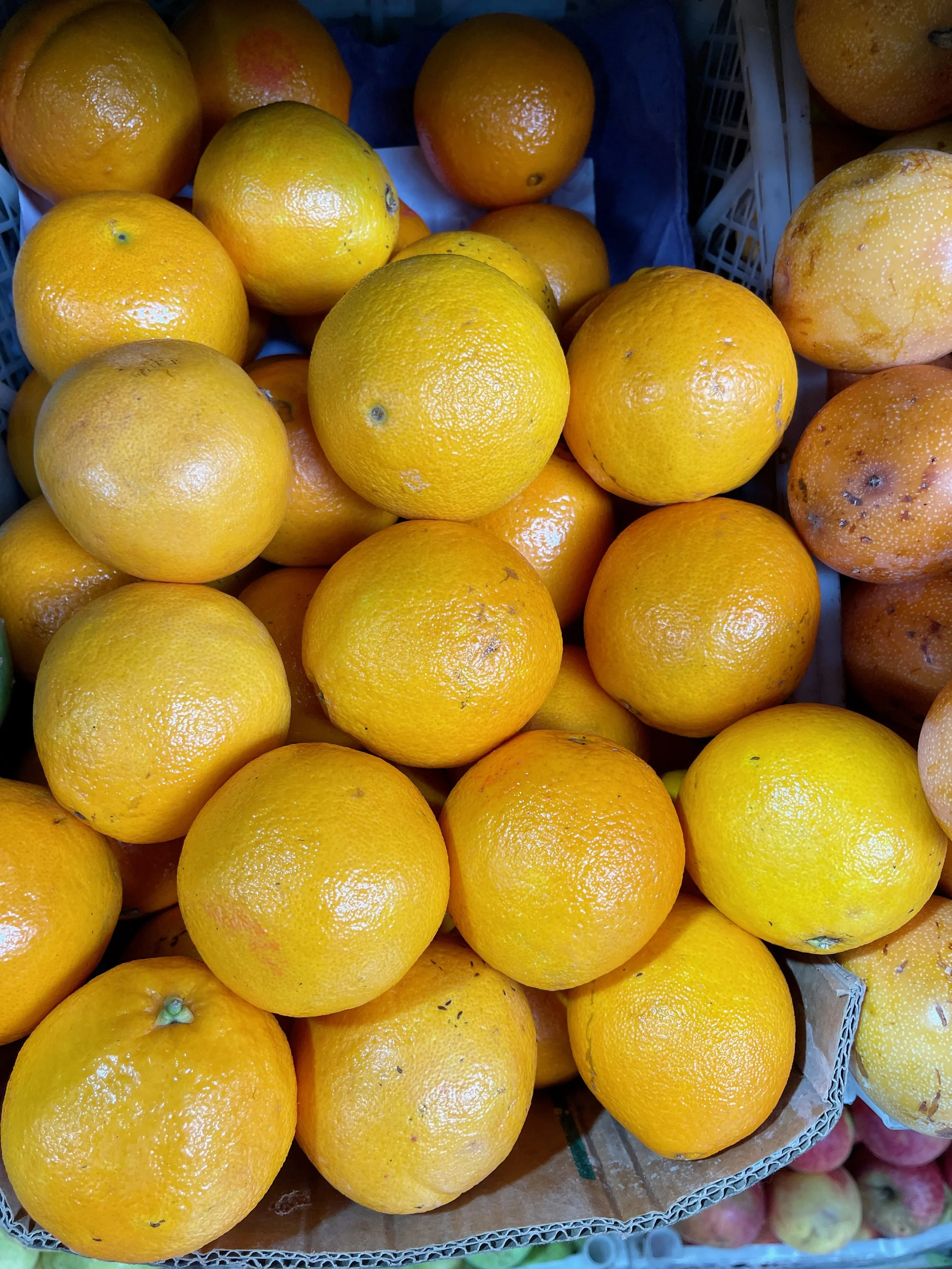
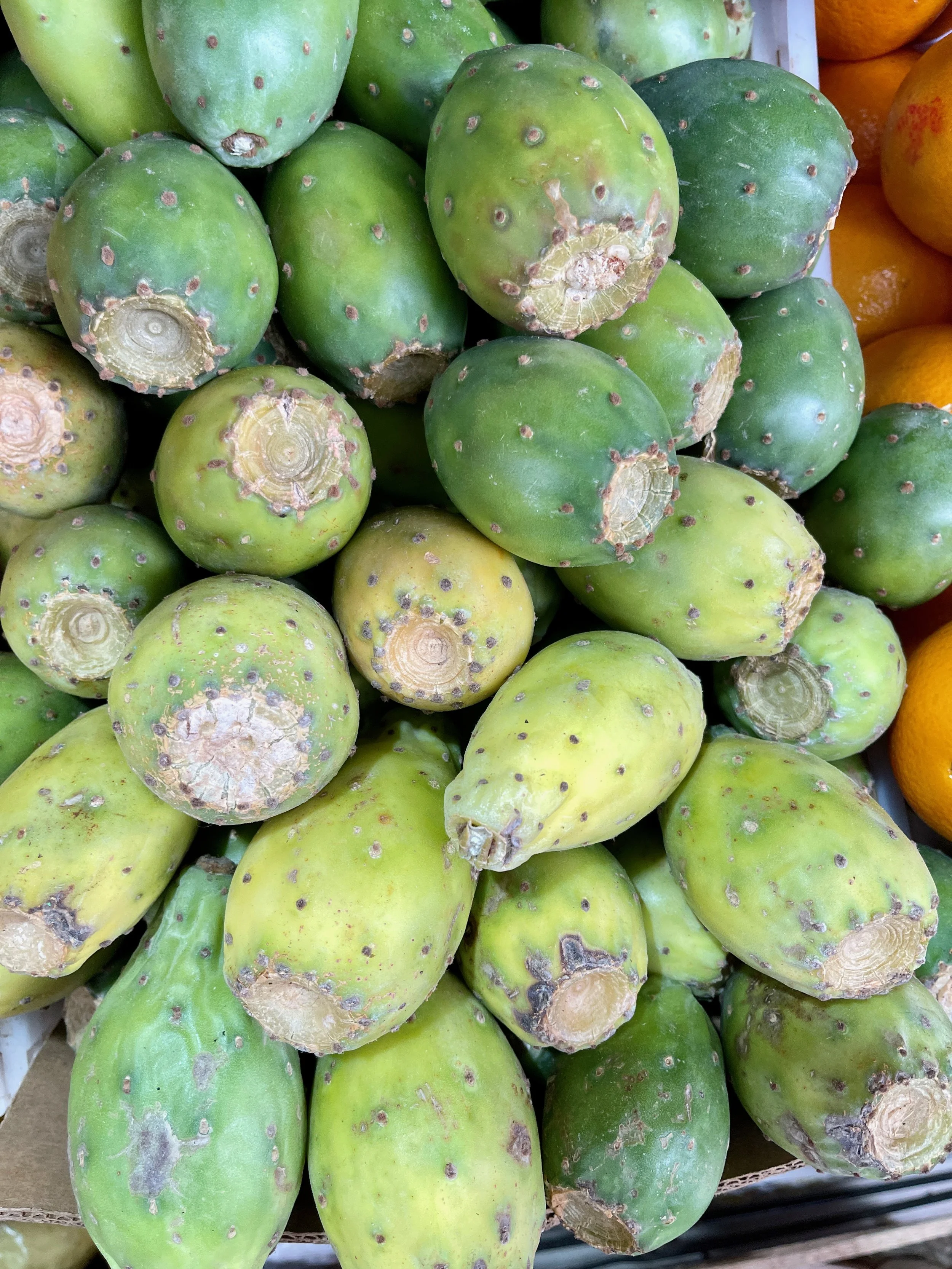
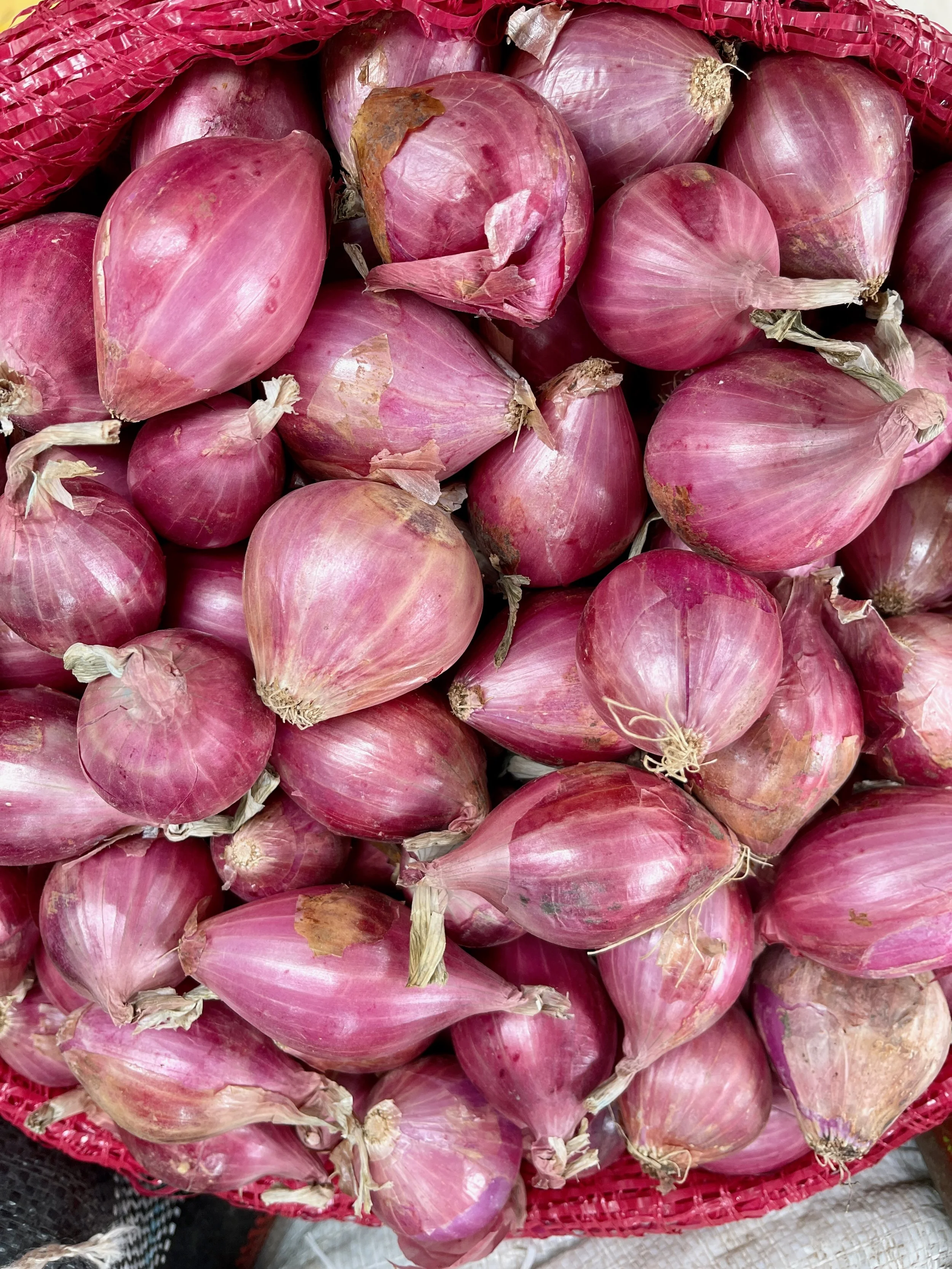
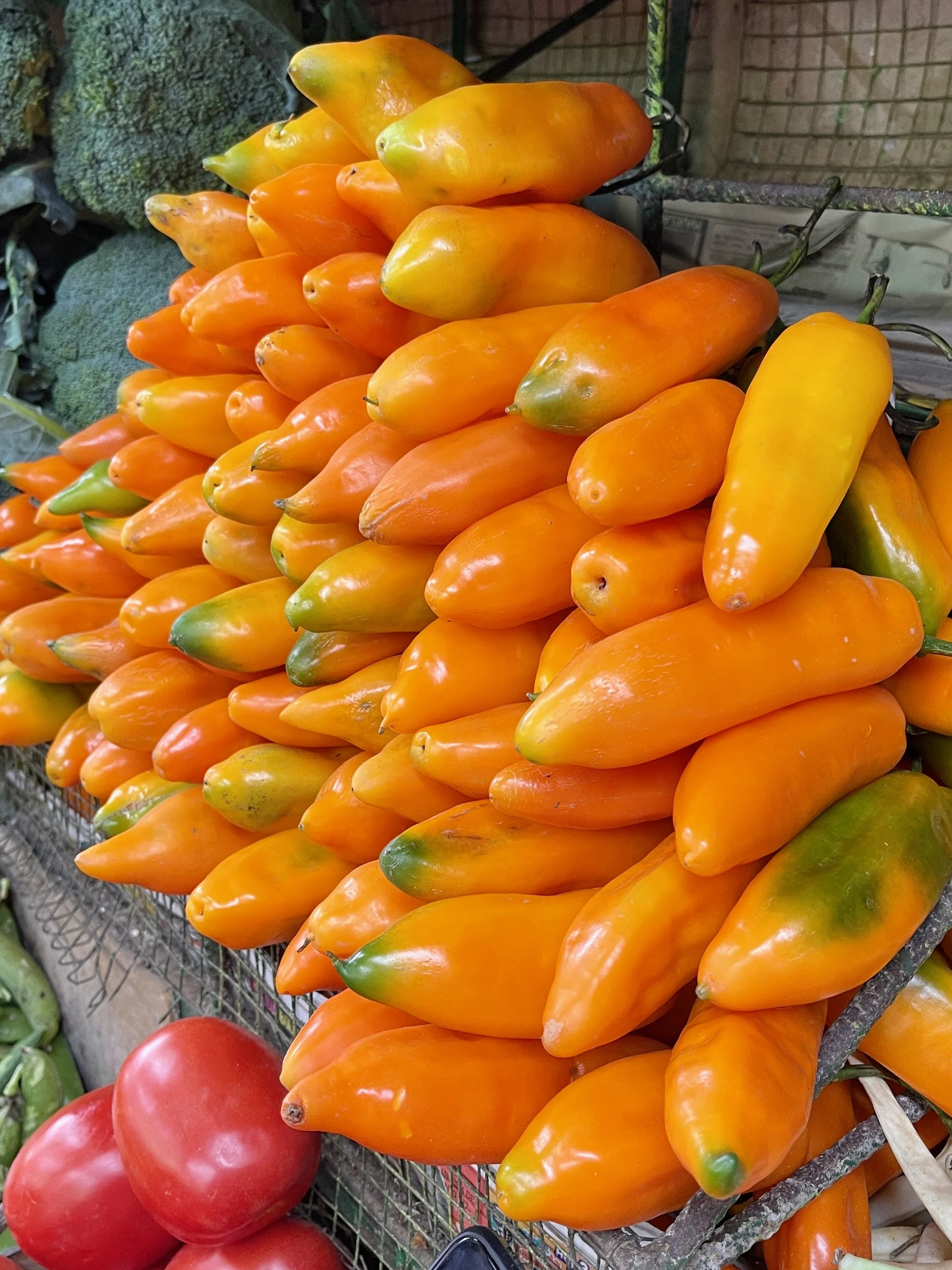
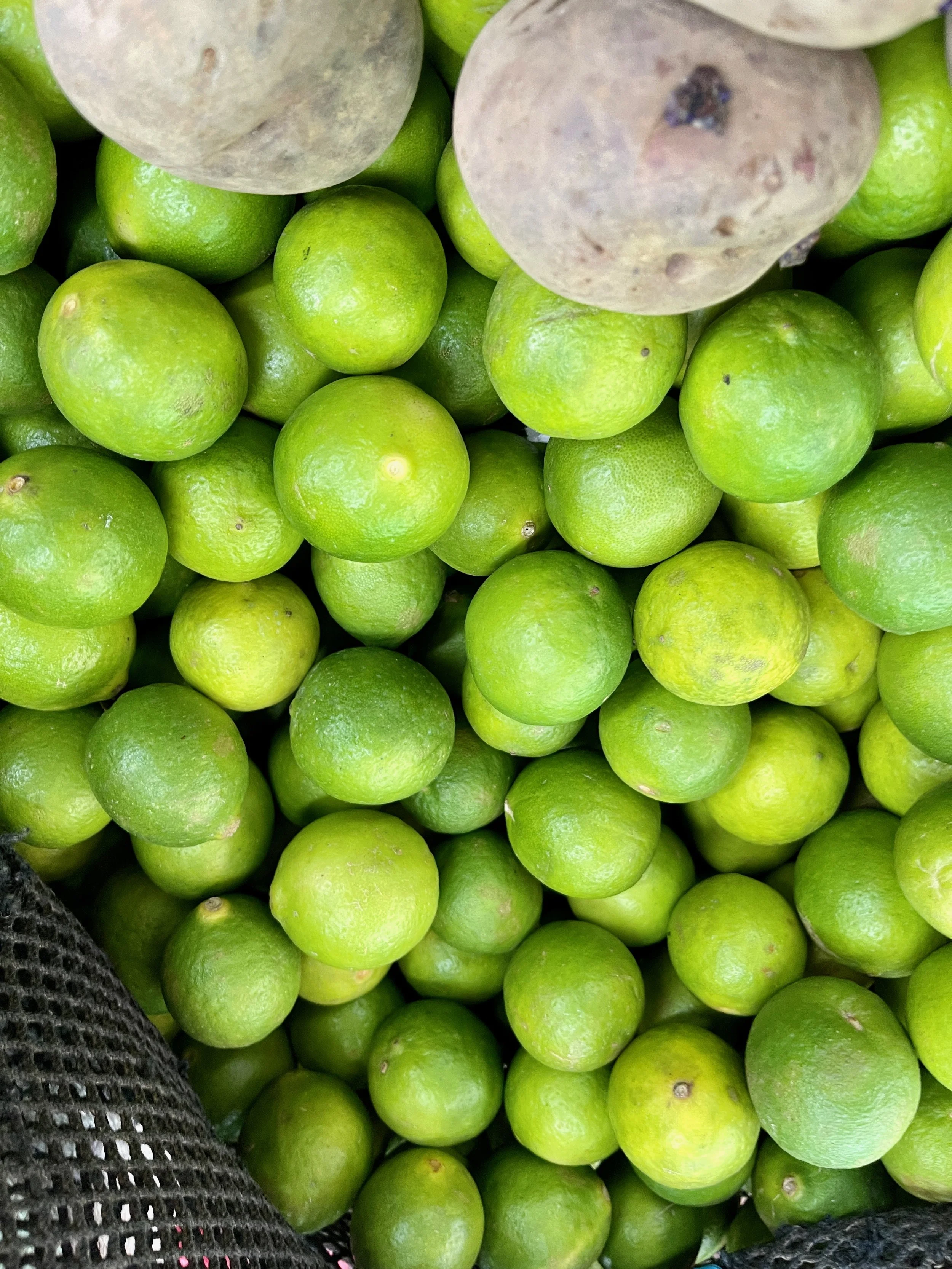
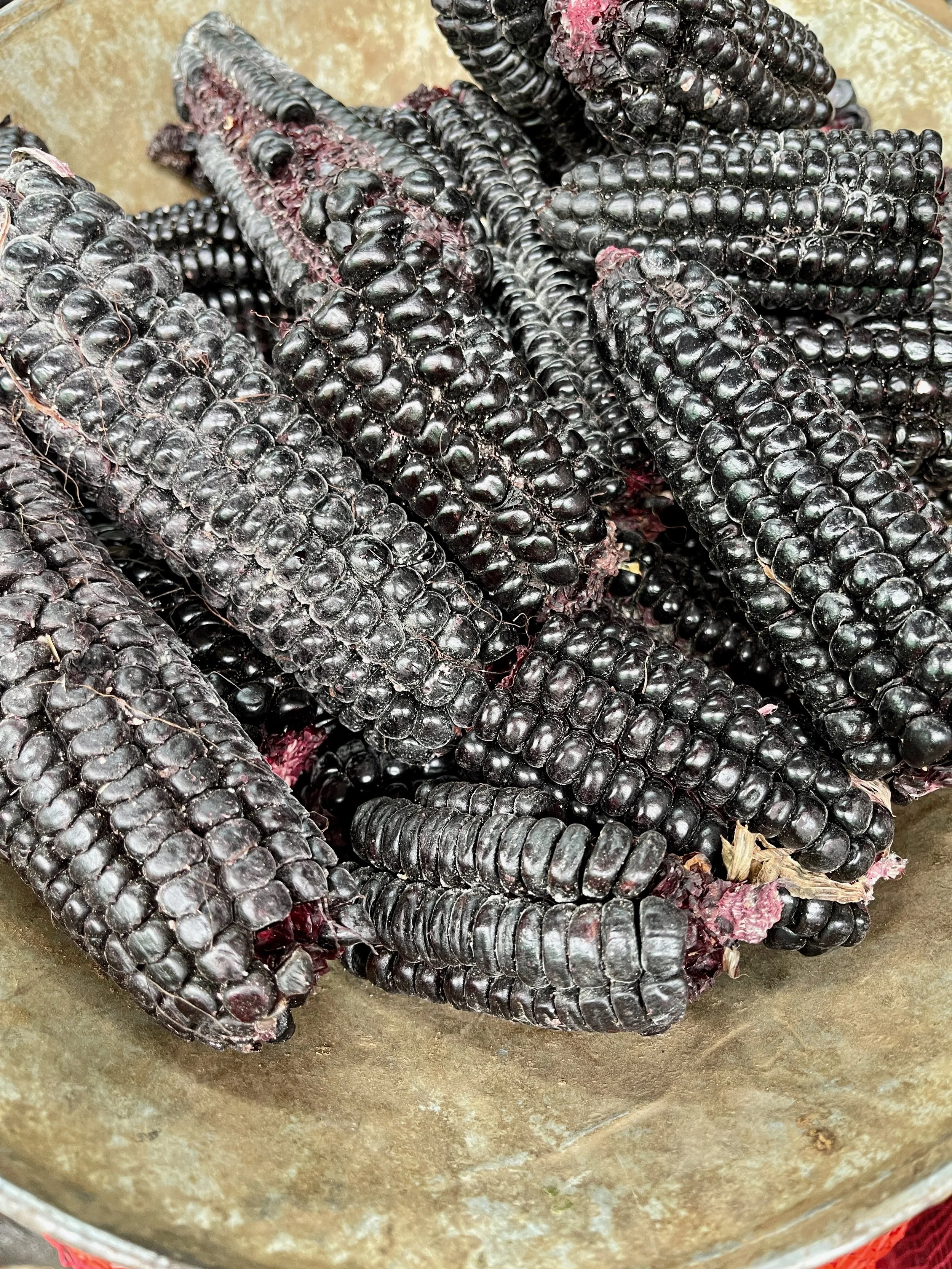
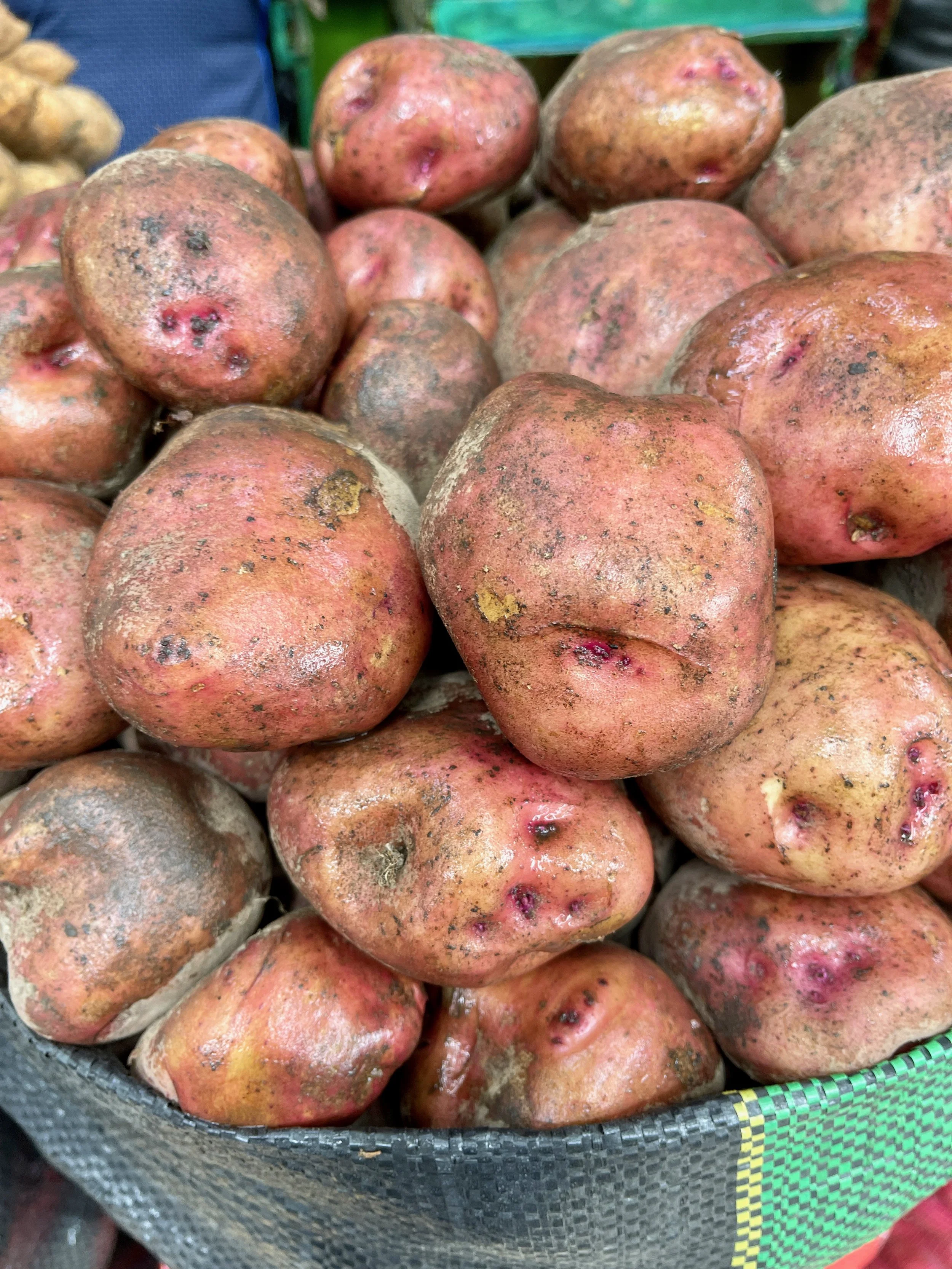
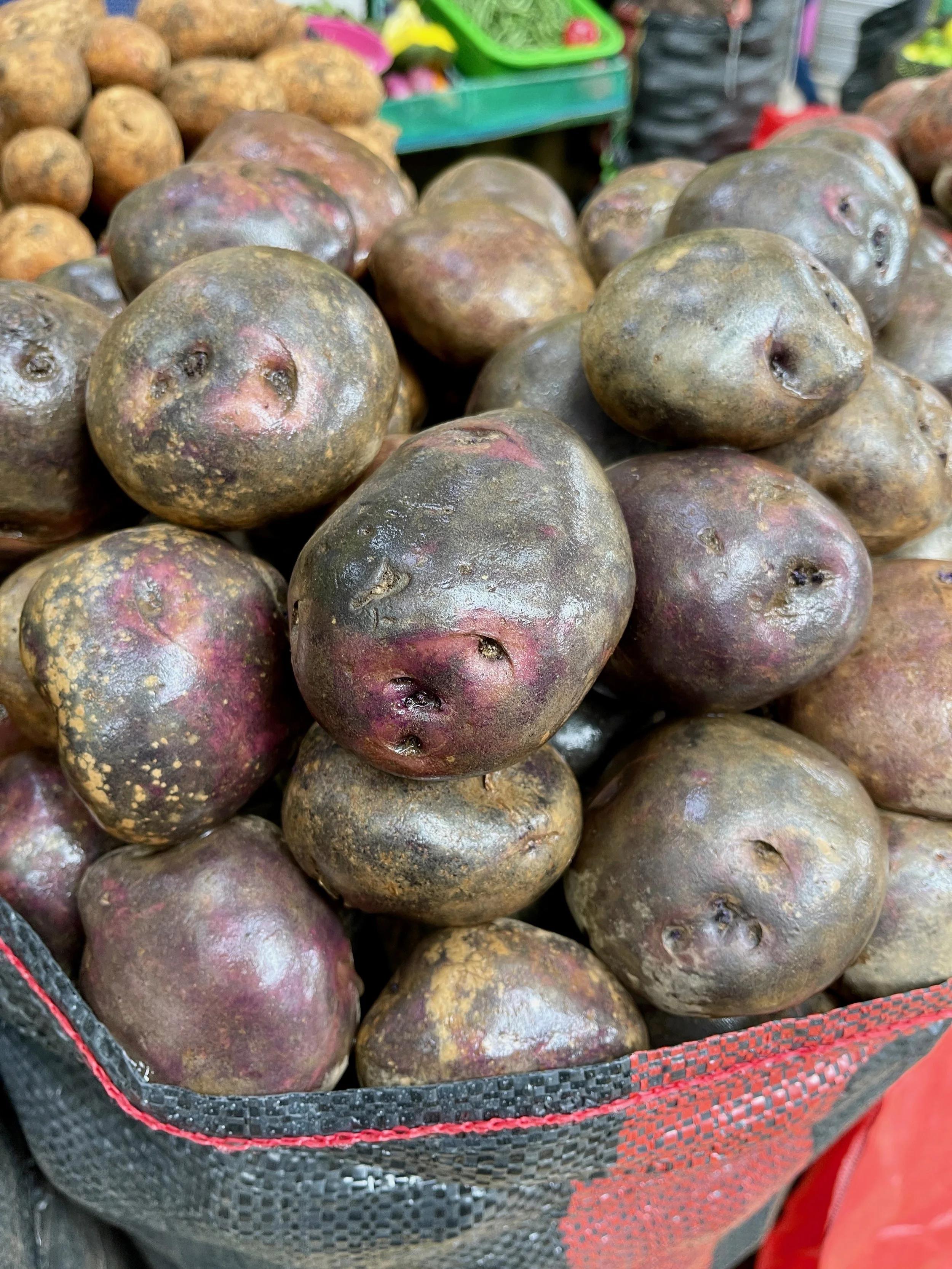
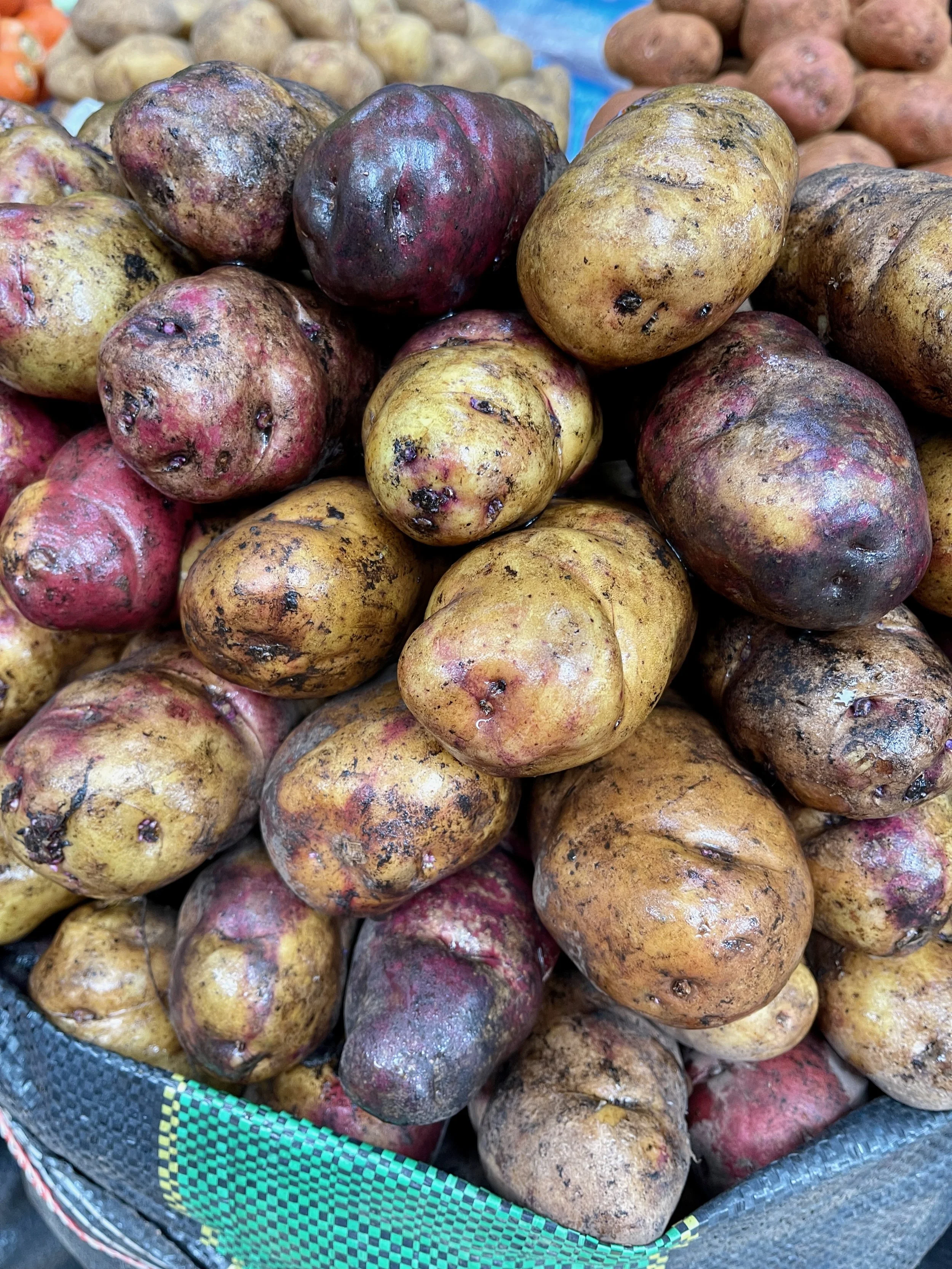
Beyond the produce, the market itself is full of movement and energy. Vendors calling out, customers selecting ingredients for the day’s meals, and food stands preparing quick bites all combine to give the space a palpable sense of life. Like us, everyone there was shopping with purpose—planning what they would cook and eat later that day.
Cooking
Once we gathered all the ingredients, we returned to Miraflores and Haku’s headquarters to prepare our lunch. Because two members of our group didn’t eat seafood, we opted to make two versions of cebiche—one traditional, and another using mushrooms. Surprisingly, the mushroom version was every bit as satisfying.
As we cooked, we sampled more than a dozen local fruits and learned a variety of techniques used by Peruvian cooks to elevate simple ingredients. The experience reinforced something I’ve always believed: Peruvian cuisine is as much about technique and balance as it is about ingredients.
By the time we sat down to eat, the entire process—from shopping to cooking—felt as rewarding as the meal itself.
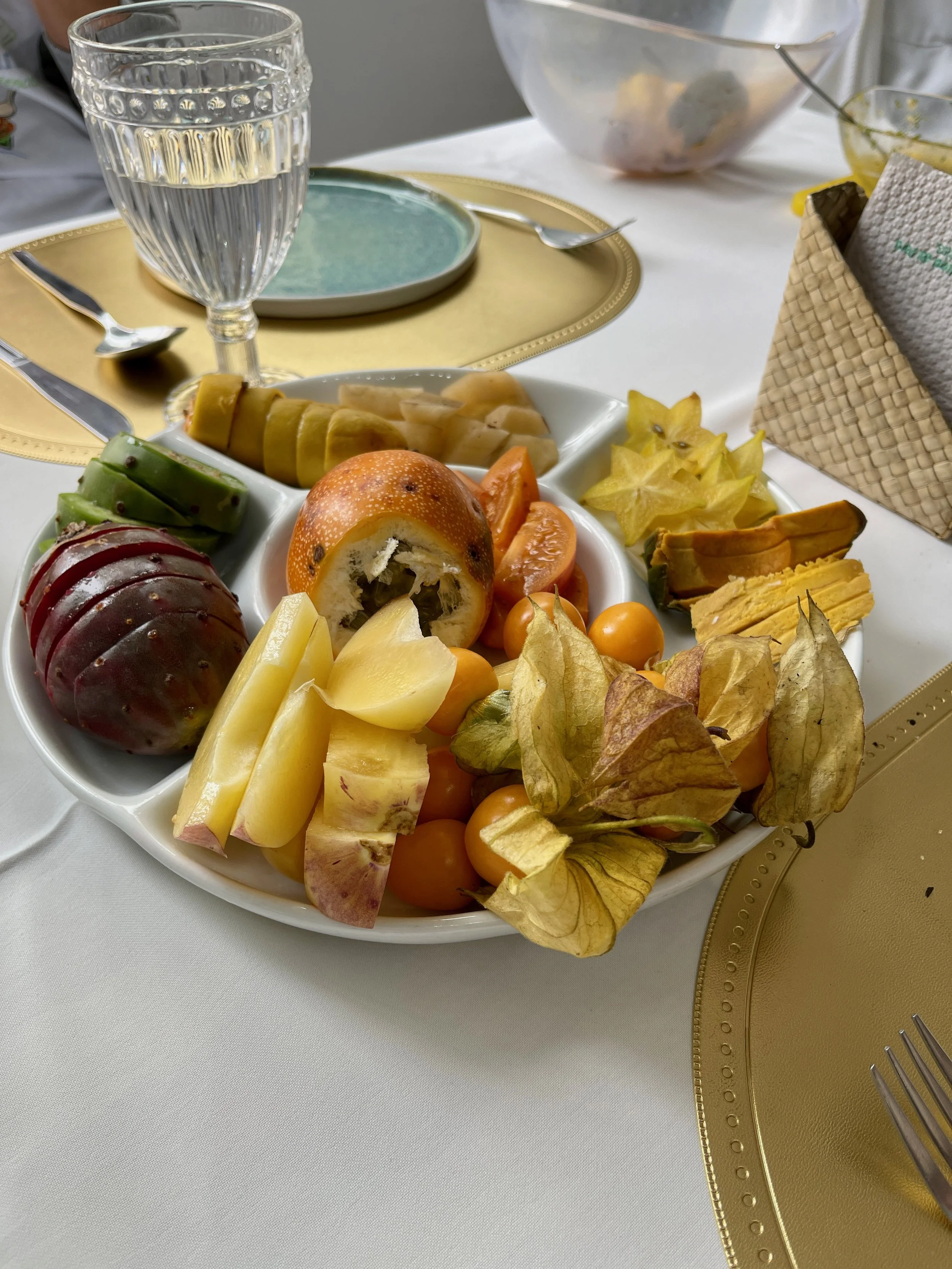
Before our meal we sampled nearly a dozen regional fruits
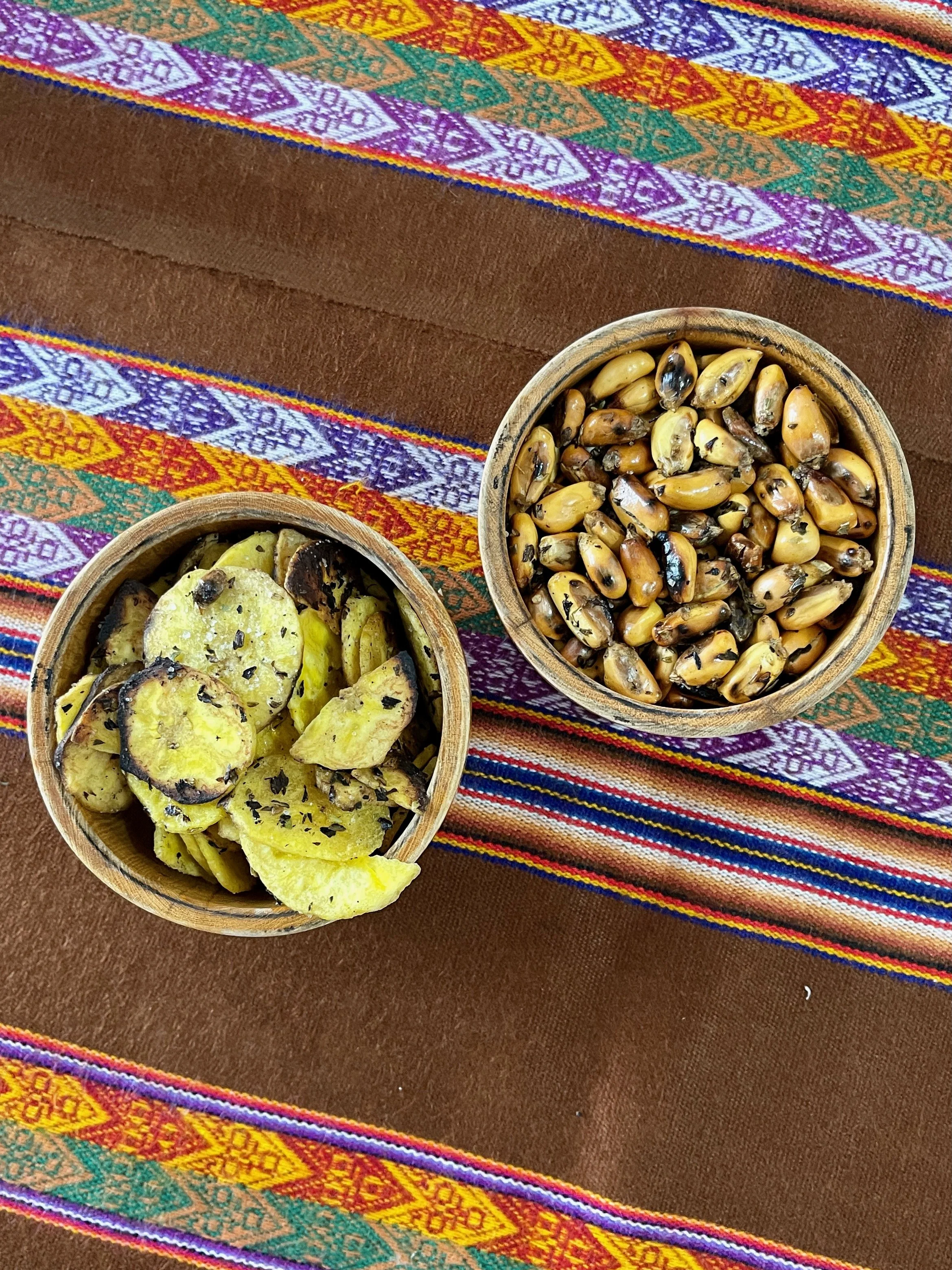
Canchita and Chifles. Local finger foods usually served with cocktails and cebiche. Think pop corn and chips.
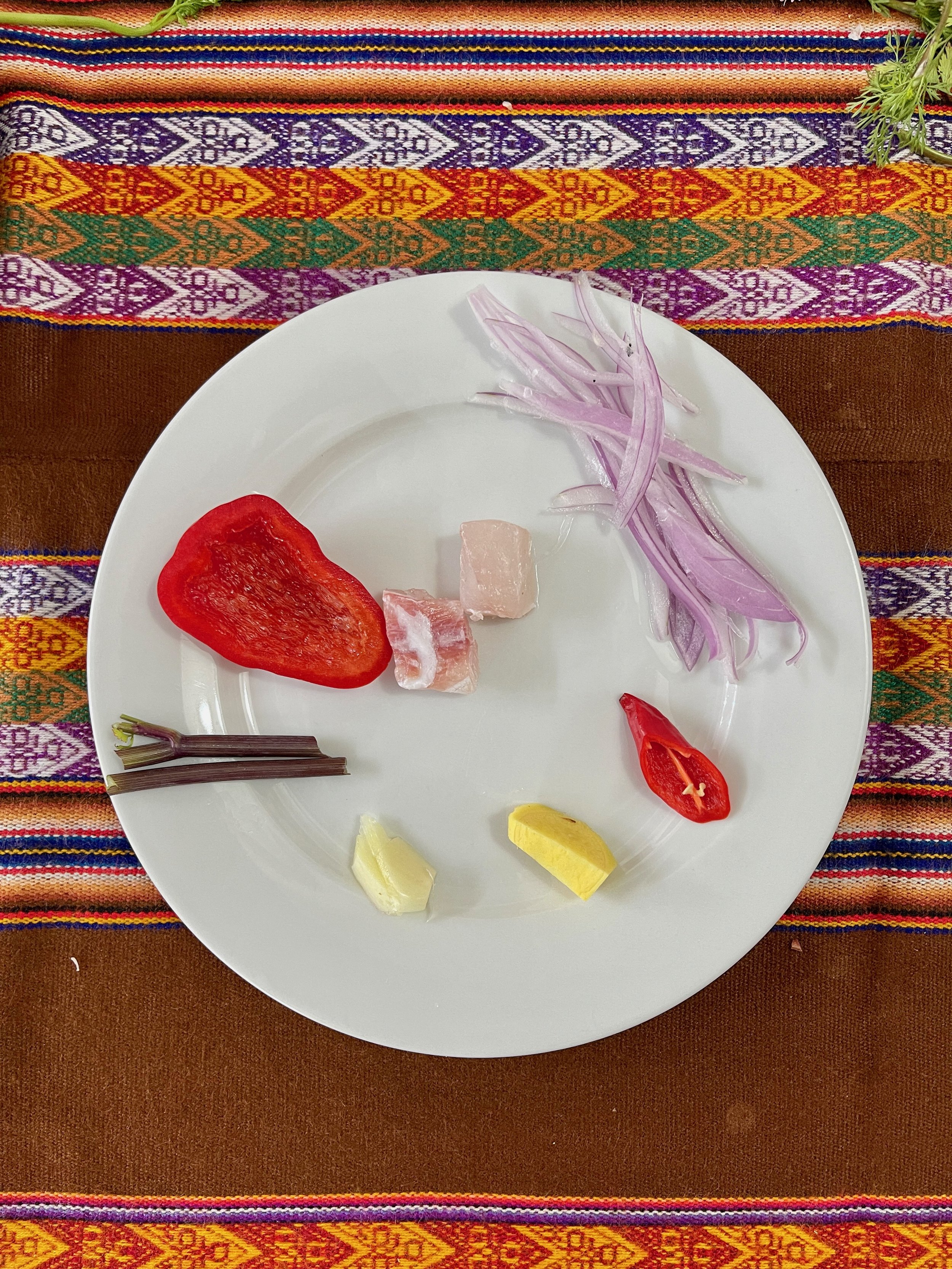
The staple ingredients for "leche de tigre" the heart and soul of cebiche.
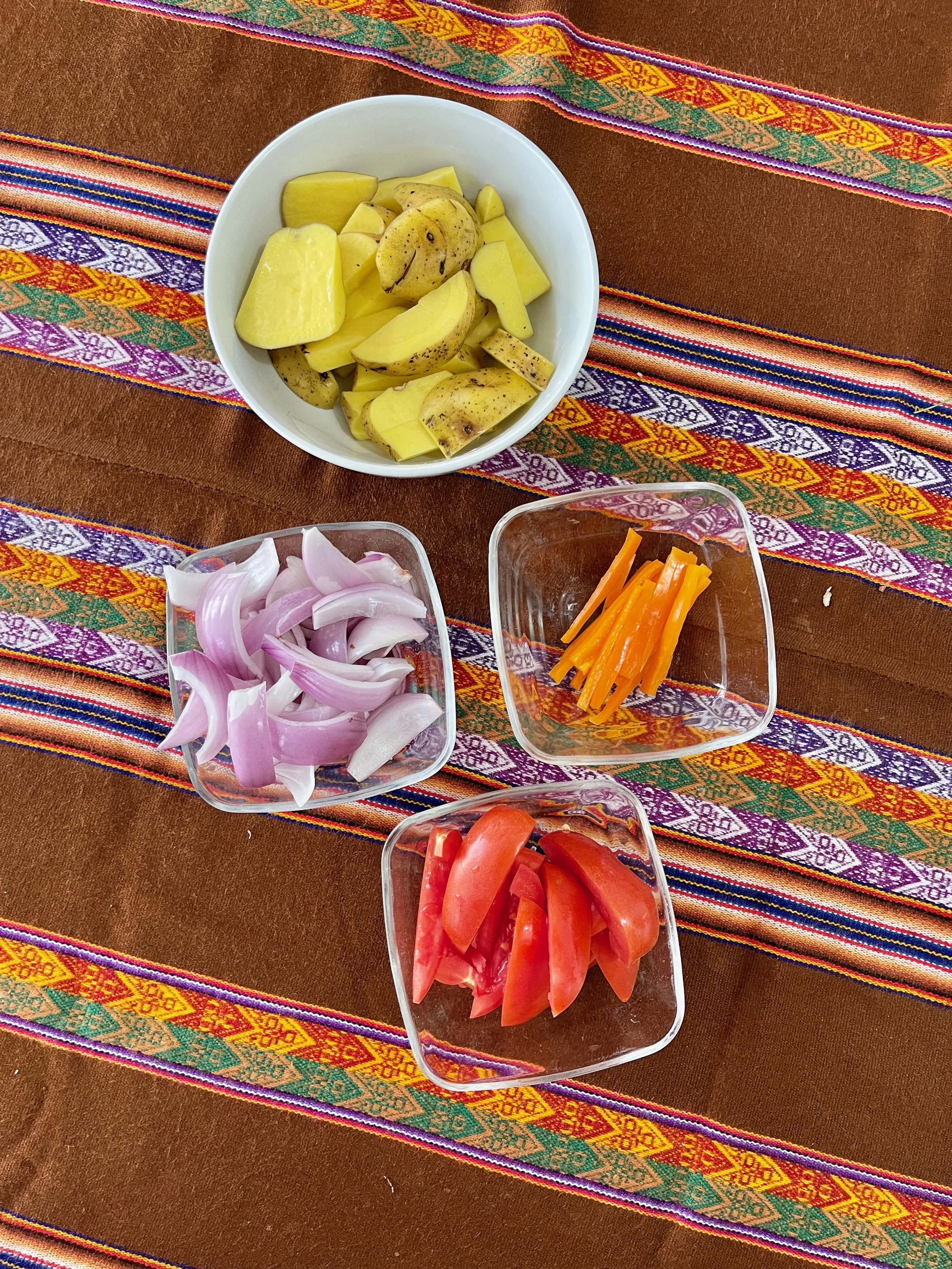
Other than sirloin and various spices, these are the basic ingredients for Lomo Saltado.
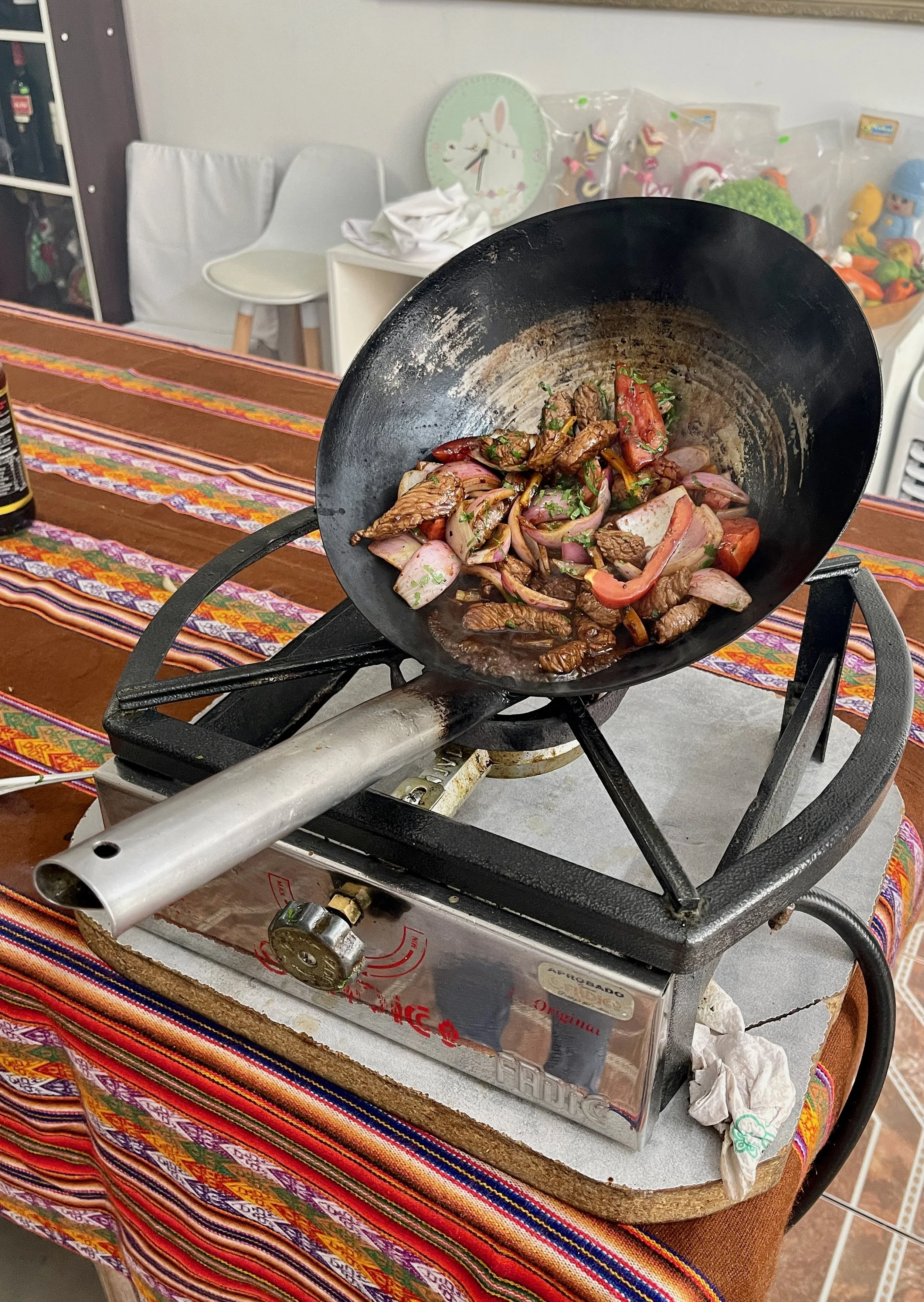
High heat and a wok is all it took to get the meal going.
-
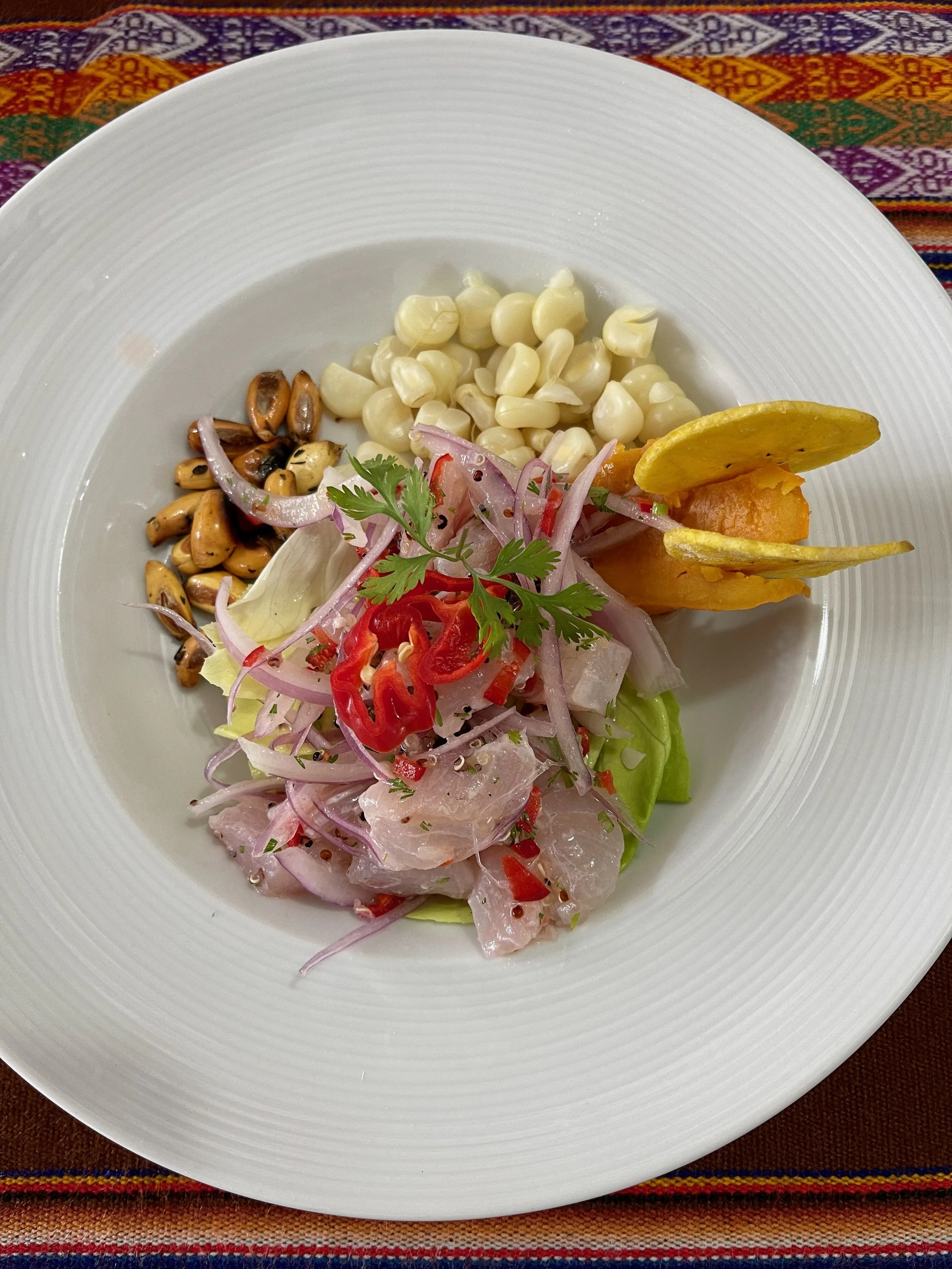
Cebiche Clasico
This is one of the best parts of visiting Lima - the fresh fish. I managed to make a super tasty Cebiche. Now to repeat the task at home.
-
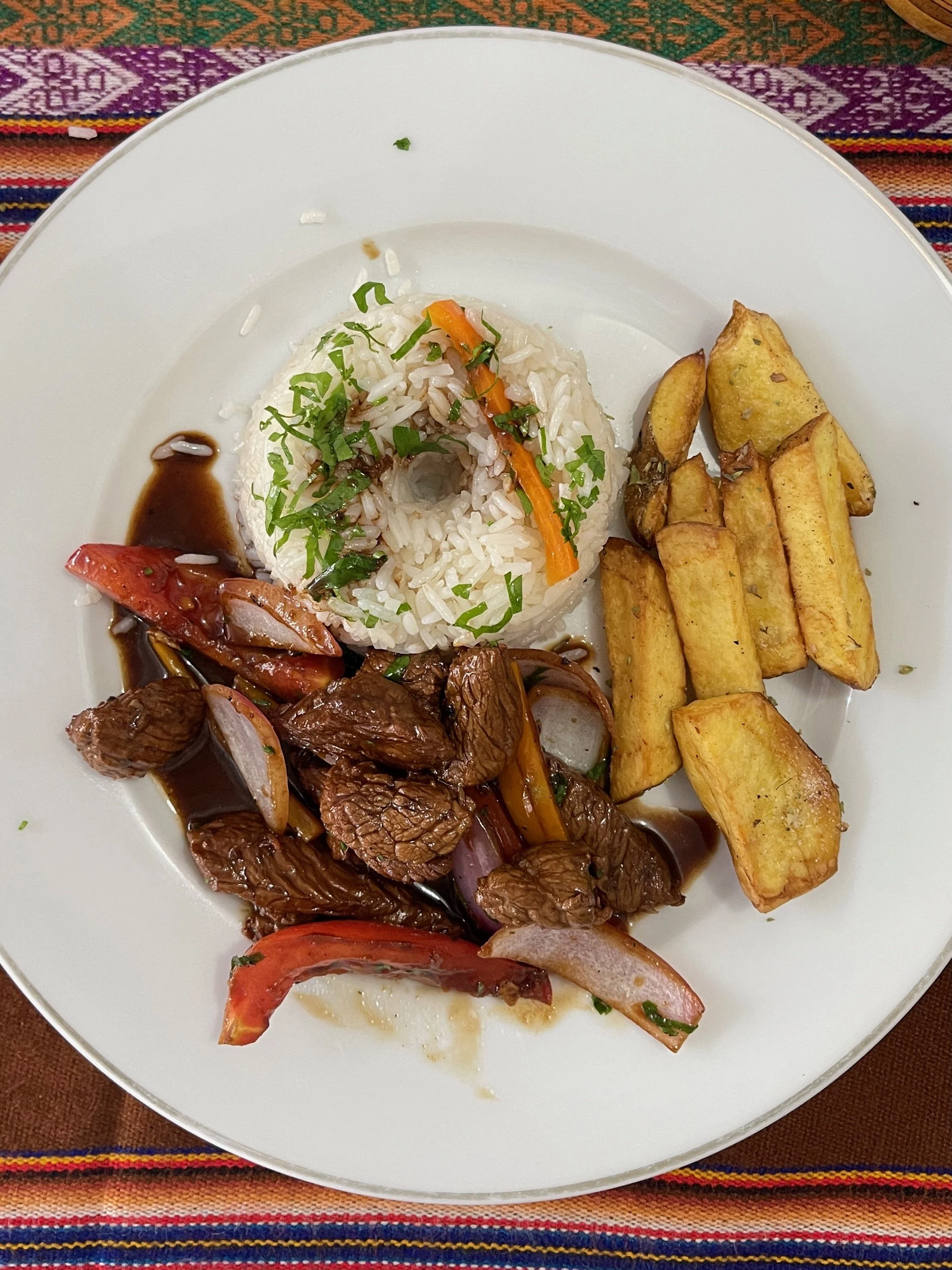
Lomo Saltado
Here’s a dish we often make at home, but after the cooking class, we will change our methods a little. We learned a couple of new tricks. So good…
This journal entry is a compiled summary of notes and impressions originally recorded in my Moleskine travel journal. Whenever I travel, I bring it along to jot things down so I don’t forget small details. I also carry a small Bluetooth photo printer to print select images (not the ones shown here) and paste them directly into the journal using adhesive-backed photo paper.
It’s a simple, tactile process that complements the slower pace of film photography and helps preserve memories beyond the screen.
Some of the links below are affiliate links. If you choose to use them, it helps support this site at no additional cost to you.