

Trail Content & Cycling Tourism Advisory Services
I help trail organizations and tourism boards turn riding destinations into discoverable digital assets.
As a rider with more than 30 years of experience in the Mid-Atlantic — and the author of four regional guidebooks — I combine on-the-ground knowledge with structured content and strategic SEO to build destination pages cyclists can find, trust, and choose.
This framework powers Best Rides DC and the structured development of Mid-Atlantic Off-Road Enthusiasts (MORE)’s regional trail platform.
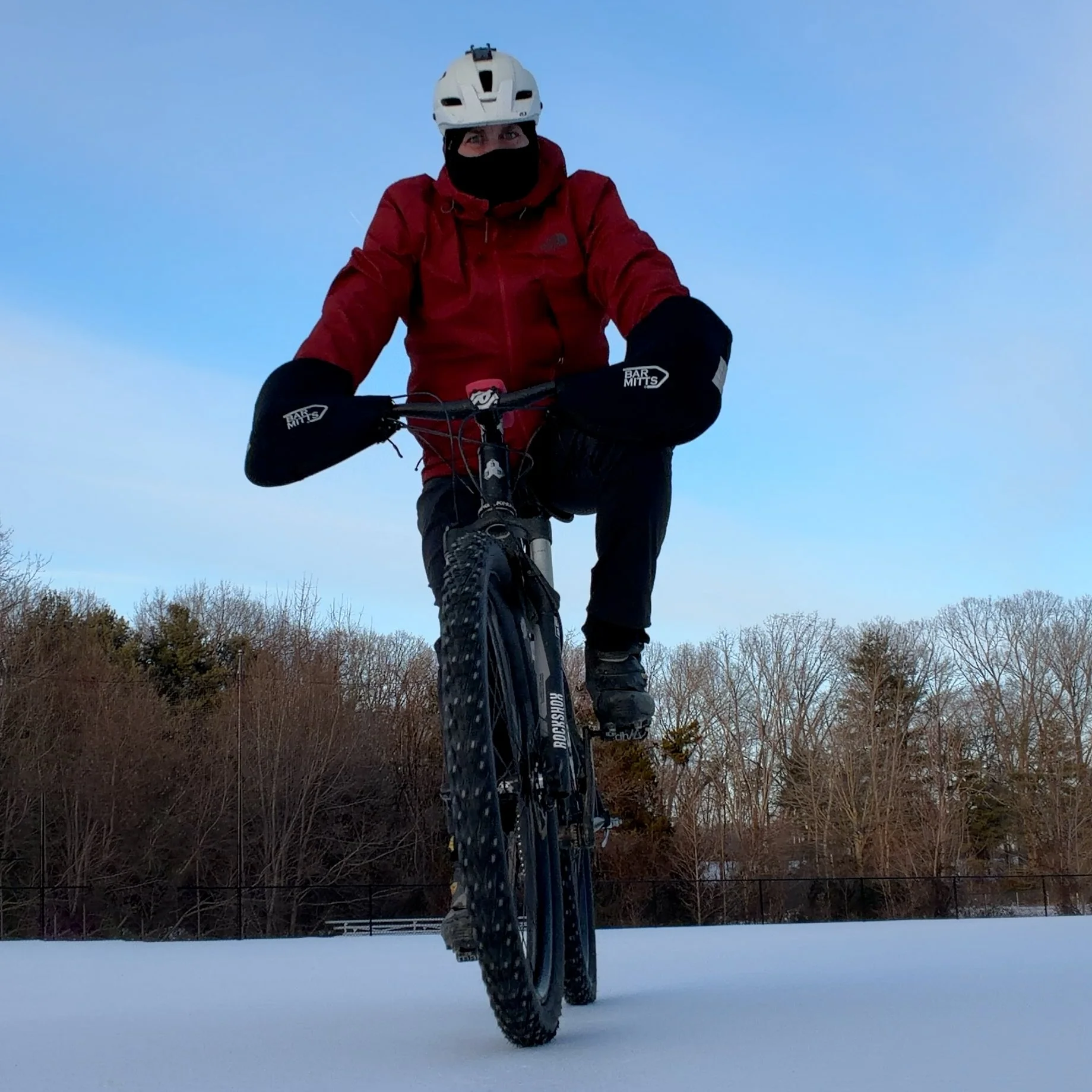
Martin Fernandez
30+ Years Riding the Mid-Atlantic
Four regional guidebooks.
Founder of BestRidesDC.
Architect of MORE’s digital trail platform.
Why Riding Destinations Lose Visibility Over Time
New trail systems, amenities and riding destinations often launch with energy — community excitement, press coverage, and early traffic.
But over time, visibility fades.
Search rankings slip. Pages grow static. New destinations appear.
As riders, we notice when a trail isn’t maintained.
The same thing happens online — only more quietly.
Digital visibility requires ongoing structure, updates, and alignment with how cyclists actually search for places to ride and where to spend their time and money.
Without that care, even well-built destinations become harder to discover.
Building the amenity is the first step.
Maintaining its digital presence protects the long-term investment.
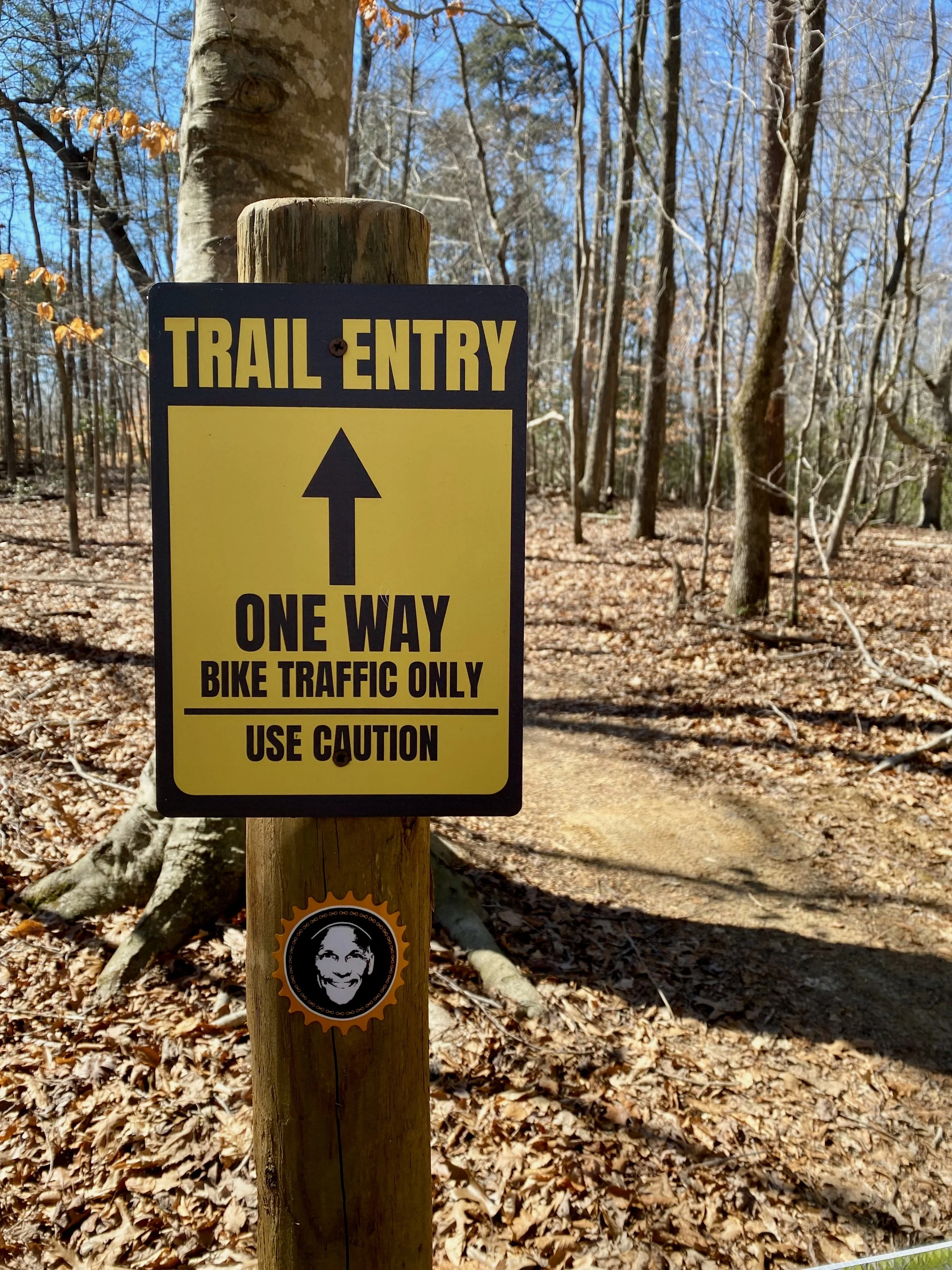
Riding destinations evolve.
Their digital presence should evolve with them.
From Riding Destination to Discoverable Digital Asset
A trail network is built on dirt and stone. A riding destination is built on experience.
My work begins there.

Rider-First Evaluation
My work begins with the rider experience.
When trails exist, I ride them. When they’re still in development, I evaluate plans through the lens of how cyclists will move through and experience the destination.
I assess flow, entry points, wayfinding, and how the experience unfolds from arrival to finish.
For new destinations, I advise during development — and when evaluations reveal the need for physical improvements, I coordinate with experienced builders to translate recommendations into practical plans and realistic budgets aligned with long-term goals.
For established systems, I identify targeted improvements that strengthen clarity, usability, and overall cohesion.
Rider perspective informs everything that follows.

Thoughtful Documentation
I document destinations the way I’ve done for decades — first in print, now digitally.
Terrain character. Route progression. Trailhead logistics. Elevation. Visual cues.
This becomes structured content that helps potential visitors understand not just where the trail is — but what it feels like.

Structured Digital Presence
From there, I translate that lived experience into clear, scannable destination pages.
Not generic tourism language — but content aligned with how cyclists research and compare where to ride.
Logical structure. Clean navigation. Strong visuals.

Strategic SEO & Refinement
Only after the experience and structure are right do I layer in SEO.
I align the content with how cyclists search:
Surface type
Distance
Difficulty
Region
Riding style
Using Search Console and analytics data, I refine over time to strengthen discoverability and long-term growth.
Visibility follows authenticity — when structured properly.
This approach is not theoretical.
It is the framework behind the growth of Best Rides DC and the foundational structure of Mid-Atlantic Off-Road Enthusiasts (MORE)’s regional trail platform.
I continue to guide optimization efforts focused on sustained search performance and membership growth.
Built From the Trail Up
My consulting work is grounded in decades of riding, writing, and building cycling resources in the Mid-Atlantic. Strategy follows experience — not the other way around.
Trail expansion and coordination efforts at Locust Shade have been referenced by Prince William County Government and covered by InsideNoVa during the official ribbon cutting and system expansion.
Best Rides DC
Overview
BestRidesDC evolved from four published regional cycling guidebooks — written after decades of riding and documenting the Mid-Atlantic — into a structured, search-driven digital resource.
What began as comprehensive print publications became a living platform designed to evolve alongside the region’s trail systems.
The Challenge
The guidebooks established authority and attracted riders across Washington, DC and Baltimore.
But as trail systems expanded, rerouted, and matured, static print content could not keep pace.
New destinations emerged.
Access points changed.
Infrastructure evolved.
A scalable digital framework was needed to:
Maintain accuracy
Document new and evolving trail systems
Extend the life of established regional knowledge
Align content with how modern cyclists search and plan rides
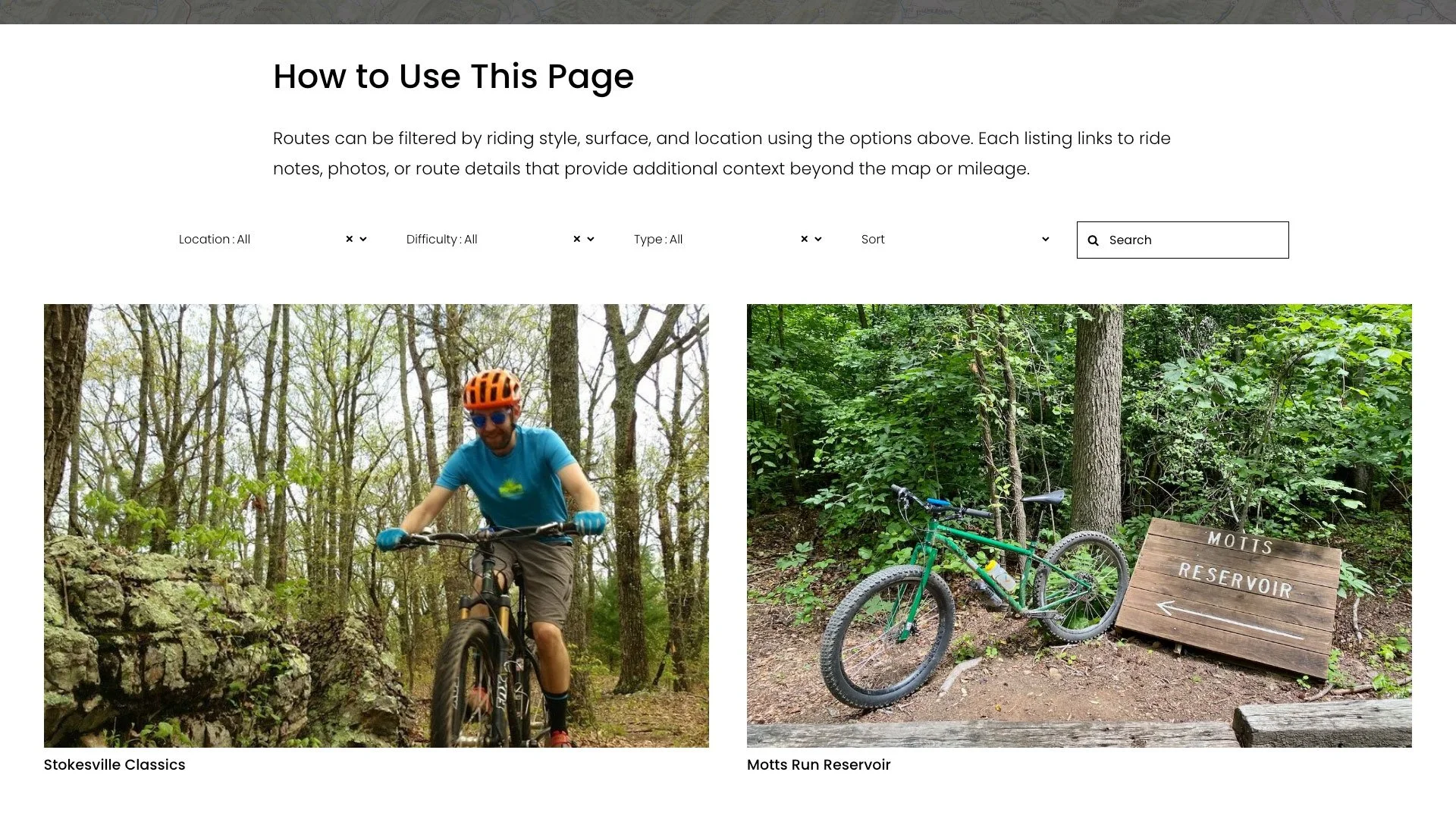
The Strategy
Building on deep regional familiarity gained through writing the books and decades of riding, I developed a structured digital model:
Standardized ride guide templates
Regional classification architecture
Long-form documentation with practical detail
Photography-driven storytelling
Internal linking across destinations
Search-aligned titles and metadata
The site was designed not as a blog, but as durable digital infrastructure.
The Result
Sustained organic search growth
Thousands of monthly search impressions
Strong visibility for Mid-Atlantic cycling queries
Ongoing documentation of new destinations
A scalable framework that continues to expand
What This Demonstrates
Regional expertise, when structured properly and aligned with SEO, can evolve from static print authority into a long-term digital asset that grows alongside the riding community.
Mid-Atlantic Off-Road Enthusiasts (MORE)
Overview
Founded in 1992, MORE grew from a small mountain biking social club into a regional trail advocacy organization.
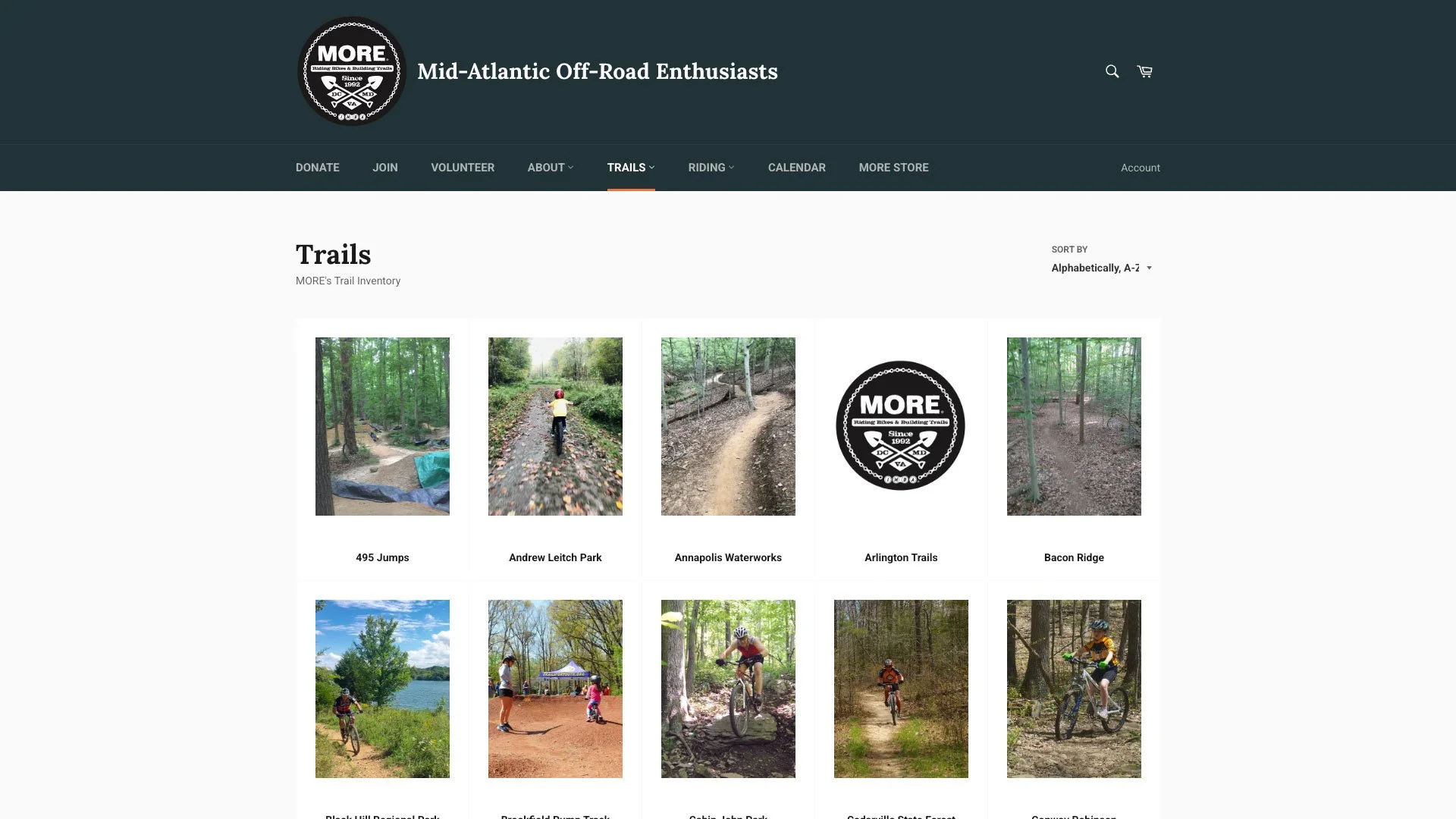
Drawing from decades of riding experience and the structured development of BestRidesDC, I led the architecture and content development of MORE’s modern website and trail catalog.
The Challenge
As membership expanded, riders increasingly asked a simple question:
“Where can I ride?”
The website needed to evolve beyond club updates into a structured, searchable trail resource.
At the same time:
Members wanted clearer trail information
Donations were general, not trail-specific
Trail pages lacked consistency
Visibility depended heavily on social media
The organization required both clearer content structure and a stronger digital foundation.
The Strategy
Using firsthand regional knowledge and proven content frameworks, I restructured the site around a clear “Where to Ride” model.
Key initiatives included:
Standardized trail page templates
Integrated maps and trailhead directions
Clear contact and access information
Trail-specific donation functionality
Logical navigation across the region
Each trail page was treated as its own destination resource — allowing riders to directly support the systems they ride most.
This aligned user behavior with fundraising strategy.
The Result
A scalable regional trail catalog
Improved usability and clarity for riders
Increased targeted donations to individual trail systems
A digital platform positioned for search-driven growth
Ongoing efforts now focus on SEO and conversion refinement — using search and analytics data to increase visibility, membership growth, and trail-level support.
What This Demonstrates
When rider experience, structured content, and SEO strategy align, a community organization can strengthen both visibility and financial sustainability.
How I Support Riding Destinations
Every riding destination is at a different stage.
Some are launching.
Others are refining established networks.
Many are seeking stronger visibility and sustained growth.
Engagements are modular and flexible — often beginning with a focused discussion and evolving into structured, long-term improvements.
Phase 1: Strategic Evaluation & Direction
Most engagements begin with a working conversation.
We review your current trail content, visibility, rider experience, and growth goals — identifying where structure, documentation, or SEO alignment can have the greatest impact.
This phase may include:
Trail and destination page review
Search visibility analysis
Rider-experience perspective
Content and structural gap identification
Clear next-step recommendations
For many organizations, clarity alone creates immediate progress.
Phase 2: Content Development & Structural Alignment
Once direction is clear, we translate rider experience into durable digital infrastructure.
This may include:
Structured trail and destination page development
Ride guide documentation
Photography and visual storytelling
Regional classification systems
Clear navigation and internal linking
The goal is long-term clarity — for both riders and search engines.
Phase 3: Cycling Tourism SEO & Discoverability
With structure in place, we strengthen visibility.
This includes:
Search intent and keyword alignment
Page-level optimization
Metadata refinement
Long-tail discovery strategy
Search Console and analytics review
Focused on sustained organic growth — not short-term spikes.
Phase 4: Ongoing Refinement & Growth
As destinations evolve, digital infrastructure must evolve with them.
Ongoing work may include:
Performance monitoring
Content updates as trails expand or change
Conversion pathway improvements
Membership and trail-level donation visibility strategy
Designed to support long-term visibility and community growth.
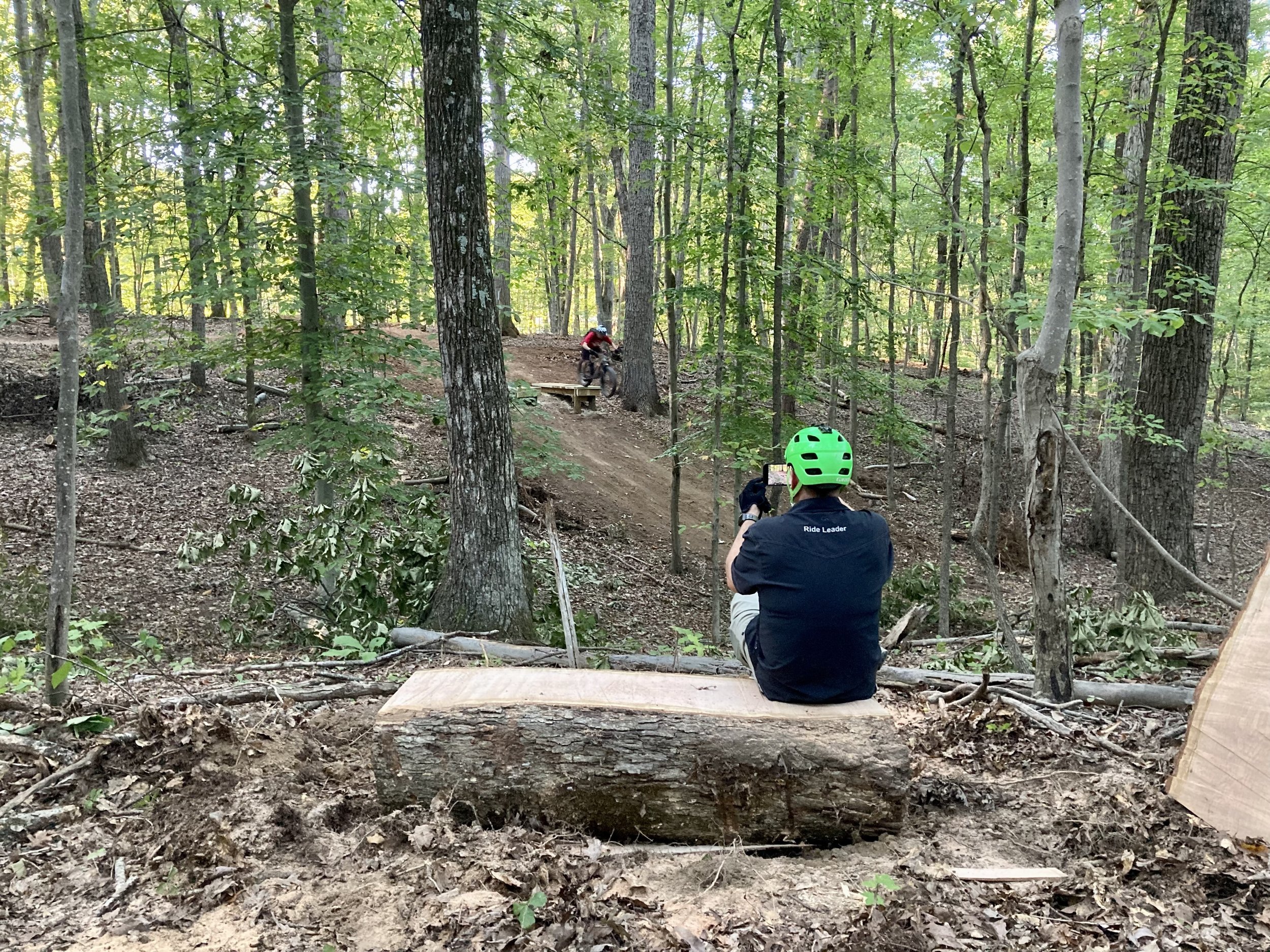
Let’s Strengthen Your Riding Destination
Whether you’re launching a new trail network or refining an established system, thoughtful structure and strategic SEO can protect and expand your visibility.
If you’d like to discuss your destination, I’m happy to connect.
Anda Llama, LLC.
#WSGFABR