
Reflections
Revisiting The National Mall
Several years ago I spent a couple of days wandering the National Mall with no particular destination in mind. From first light until dusk, I simply walked, observed, and photographed whatever caught my attention.
It wasn't the monuments I found most interesting—it was the people I encountered along the way.
With so much attention recently focused on the Reflecting Pool, I found myself digging through my archives and reflecting on these photographs instead. They remind me of the National Mall as I like to remember it—not simply as a collection of monuments, but as our country’s front yard: a place built for gathering, wandering, remembering, protesting, celebrating, and simply sharing space with one another.
These are a few moments from those walks.
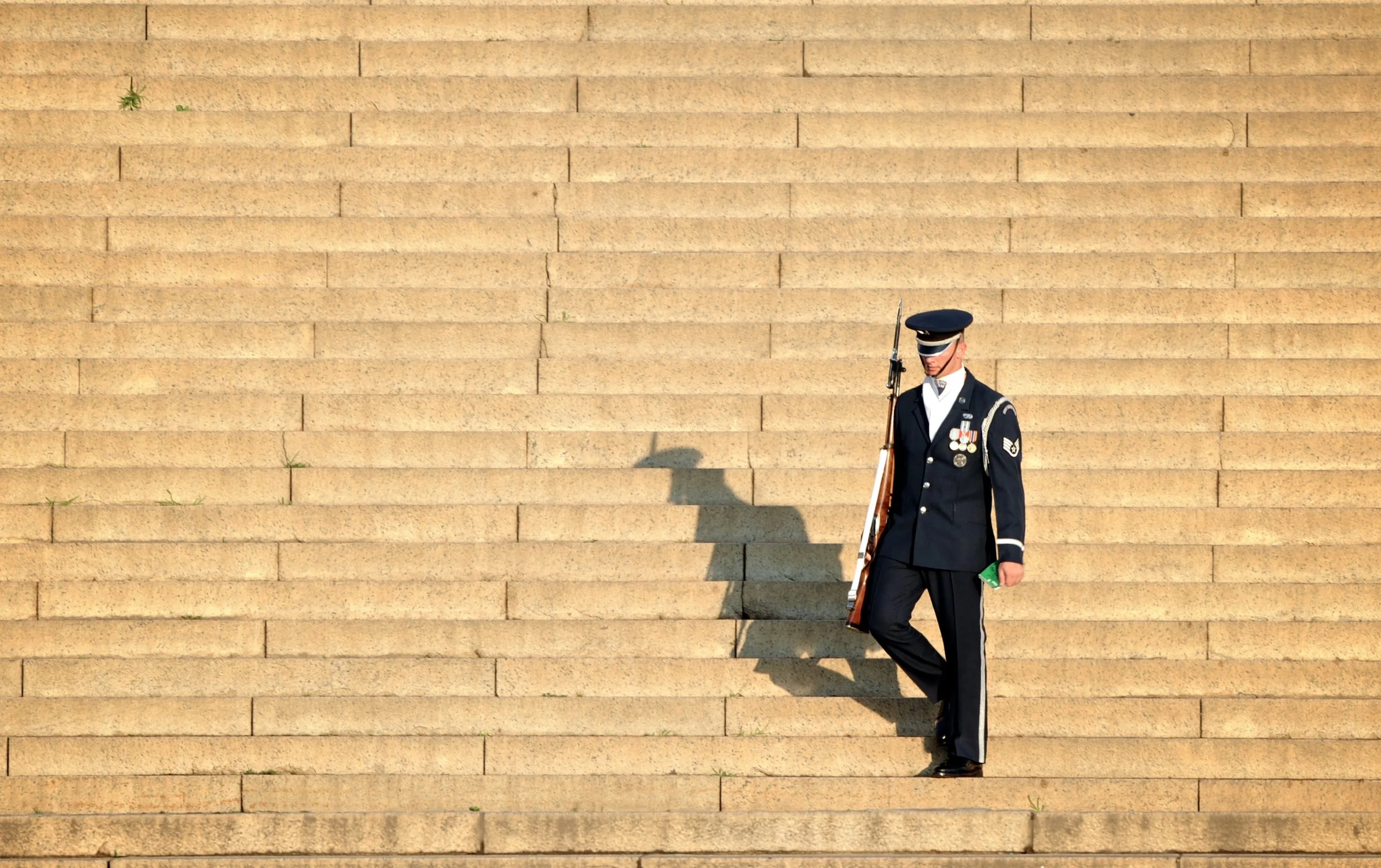
ABOVE: An Airman descends the steps of the Lincoln Memorial following an early morning photo shoot.
The National Mall, or something closely resembling it, has been part of the vision for Washington, D.C. since the city's earliest days. In his 1791 plan for the nation's capital, French-born architect Pierre Charles L'Enfant envisioned a broad "Grand Avenue" stretching west from the Capitol. Bordered by gardens and public spaces, it would serve as a place of public walks and gatherings while symbolizing the ideals of a young republic. Although L'Enfant's original plan was never fully realized, it laid the foundation for what would eventually become one of our country’s most recognizable public spaces.
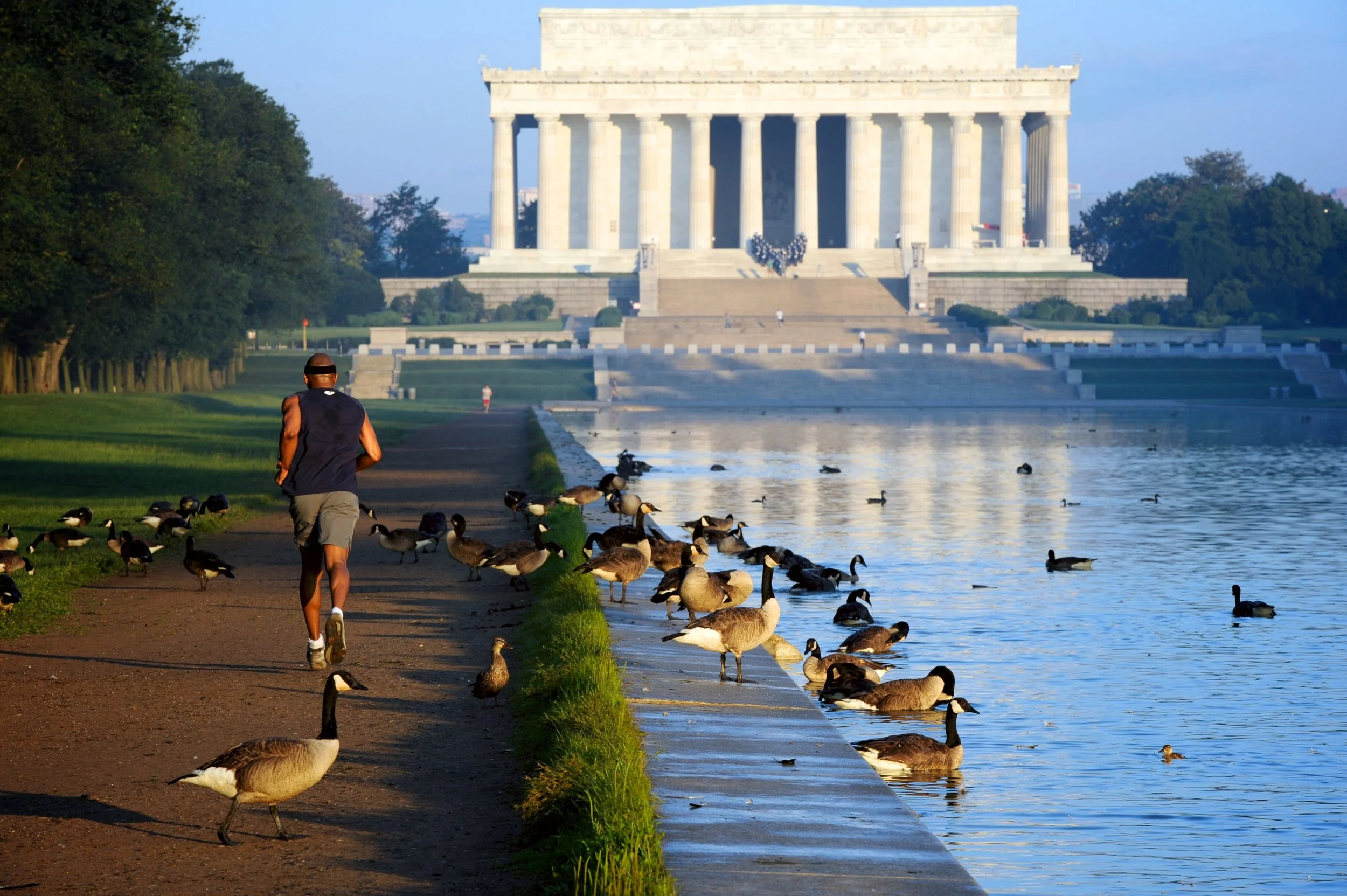
ABOVE: A lone jogger makes his way toward the Lincoln Memorial along the Reflecting Pool.
The landscape, however, looked very different during the nineteenth century. When construction of the Washington Monument began in 1848, the monument stood near the banks of the Potomac River. Much of what is now parkland west of the Monument simply didn't exist. Following decades of flooding and the accumulation of silt known as the Potomac Flats, the U.S. Army Corps of Engineers undertook an enormous land reclamation project, dredging the river and creating nearly 700 acres of new land that permanently reshaped the capital's waterfront.
-
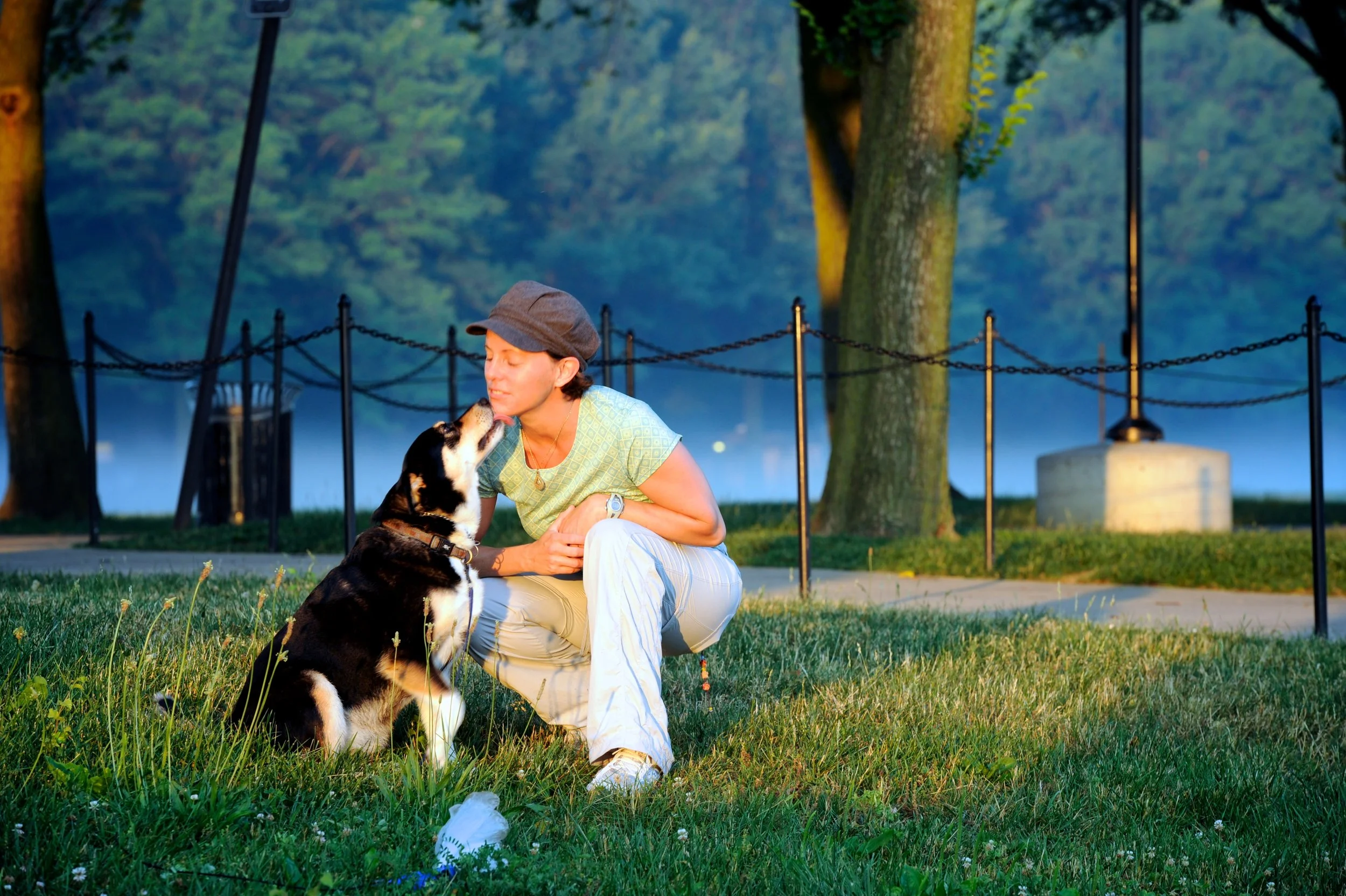
Kimberly and Lilly
I met Kimberly while she was spending a quiet early morning with her dog, Lilly along the Reflecting Pool. After asking permission to photograph her, we struck up a conversation and stayed in touch for years afterward.
The next major transformation came in 1901 with the McMillan Plan. Seeking to restore L'Enfant's original vision while taking advantage of the newly reclaimed land, the Senate Park Commission reimagined the National Mall as a grand civic landscape stretching from the Capitol to the Lincoln Memorial. The plan established the broad lawns, tree-lined promenades, memorials, and open vistas that millions of visitors experience today, earning the Mall its well-deserved nickname: The Country's Front Yard.
-
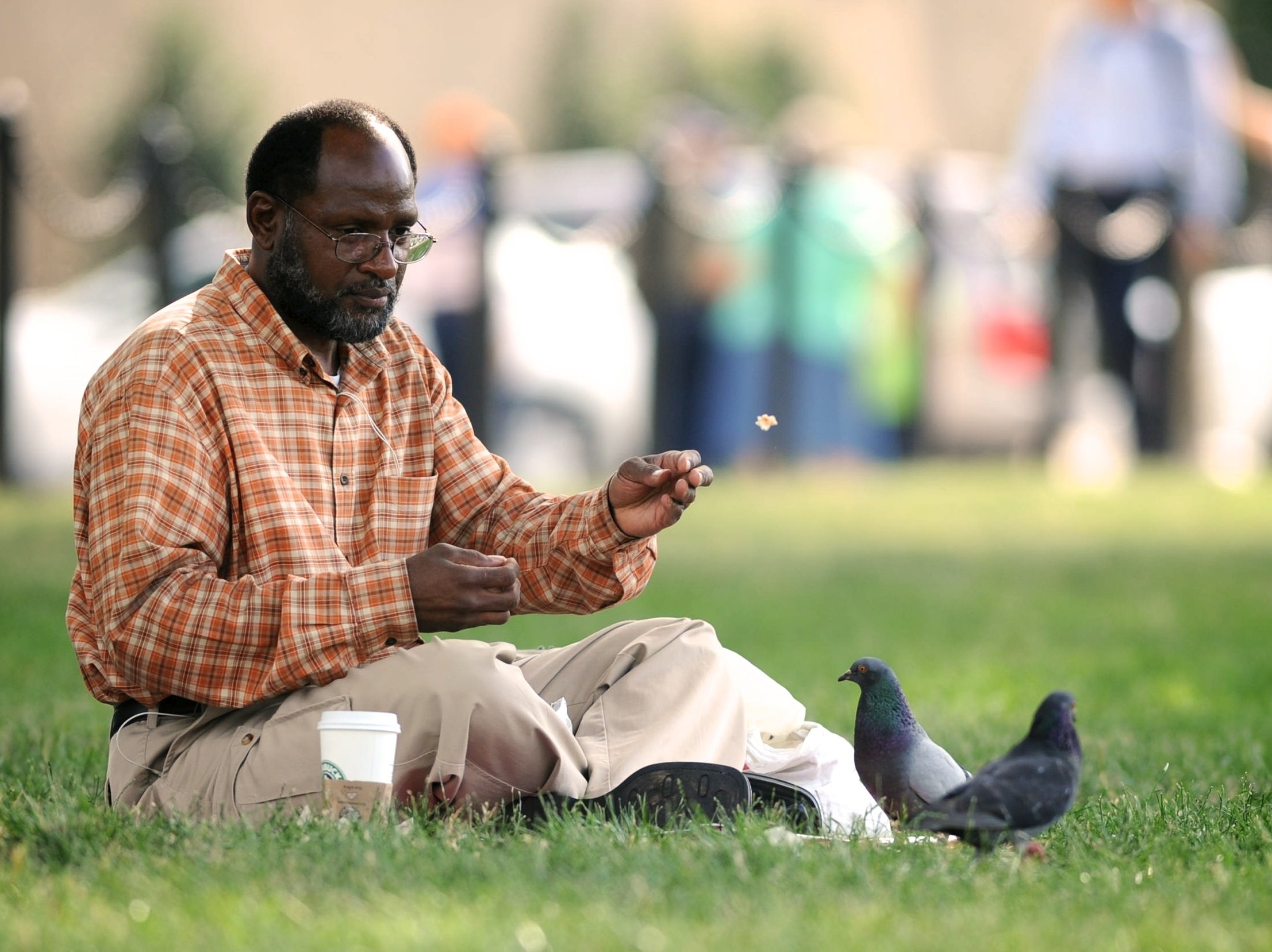
Lunch Time
-
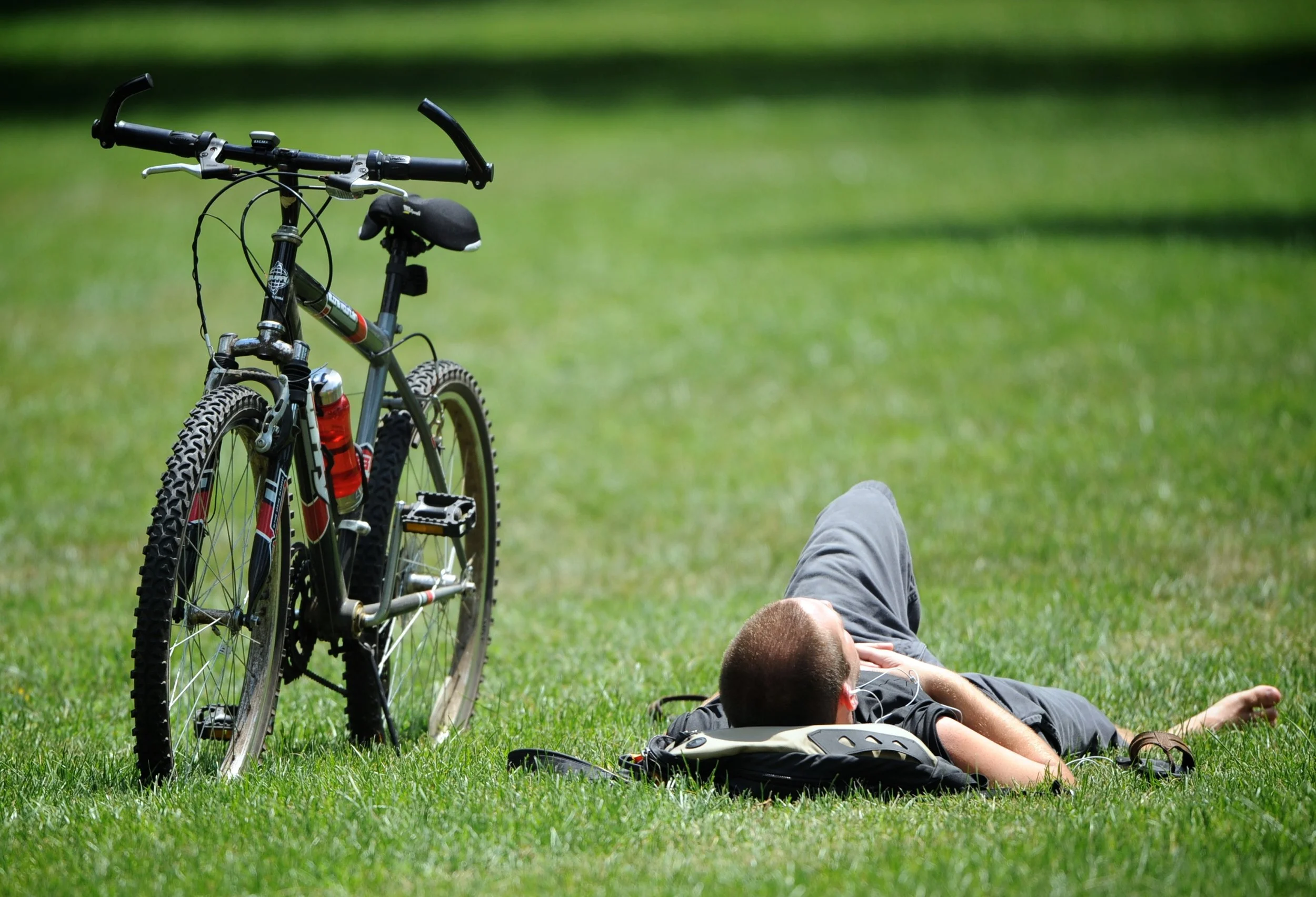
Nap Time
Despite its prominence, the National Mall has never been defined by its monuments alone. It has served as the backdrop for presidential inaugurations, celebrations, protests, concerts, moments of national mourning, and countless everyday experiences. On any given day you'll find tourists seeing the monuments for the first time, runners making their morning loops, photographers chasing the light, families enjoying a picnic, veterans quietly reflecting, and locals simply passing through. Few places in the country belong so completely to everyone.
-
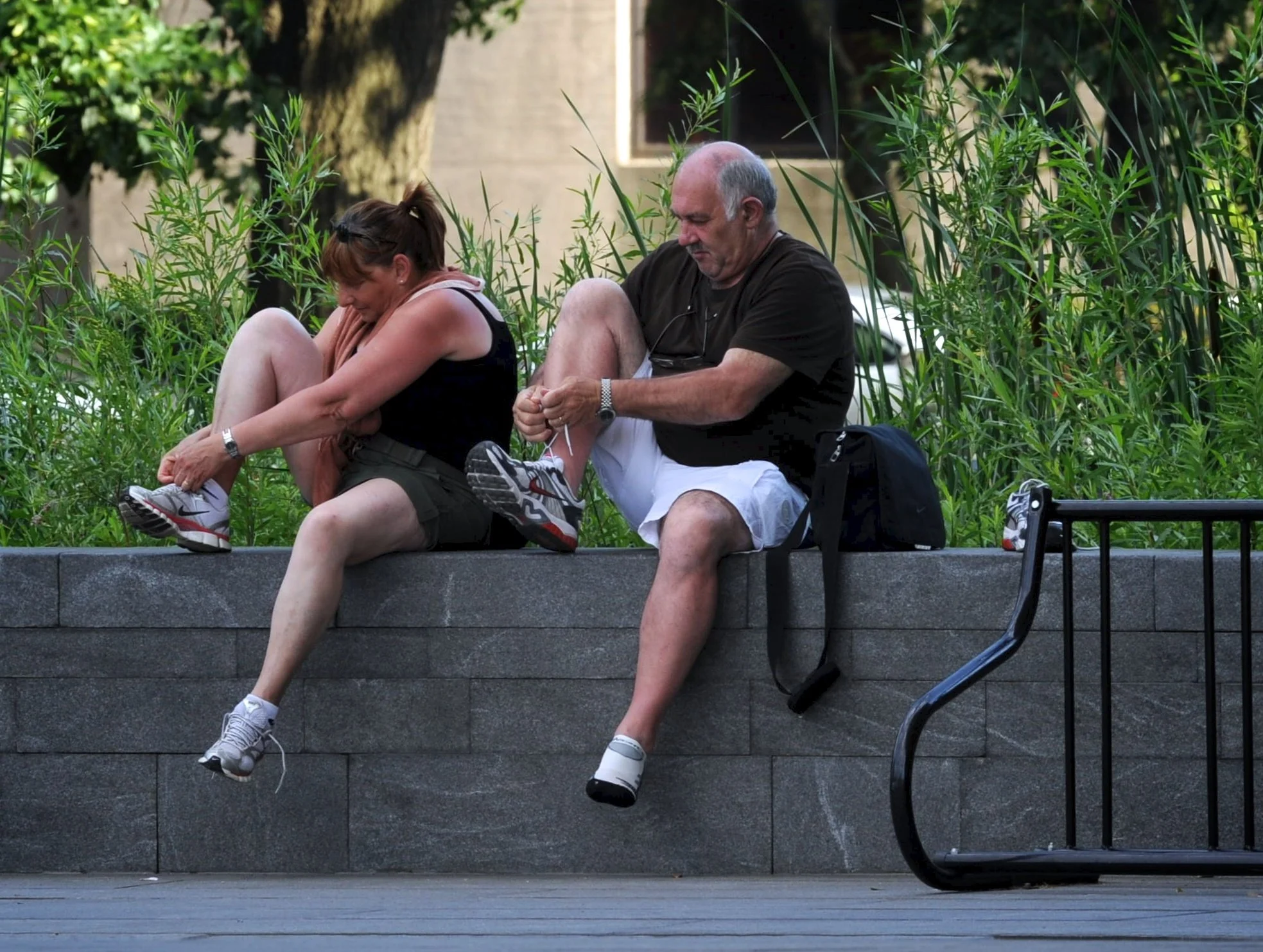
The Italians
After a long day exploring Washington, this Italian couple paused to adjust their shoes before continuing on their way.
That is what drew me there with a camera. Over the course of two days I wandered the Mall with no itinerary, photographing not just the monuments, but the people who gave the place its character. Looking back through these images today, I'm reminded that while the skyline has changed little over the years, it's the ordinary moments unfolding beneath it that continue to define this remarkable place.
-

Daniel
Daniel, taking a short break beneath a yellow poncho while visiting the National Mall with his family.
I also feature a cycling tour of the National Mall in both Best Bike Rides Washington, DC and Best Easy Bike Rides Washington, DC. The brief history above is condensed from those guidebooks, where I explore the Mall's evolution in greater detail while leading readers through one of my favorite rides in the region.
-
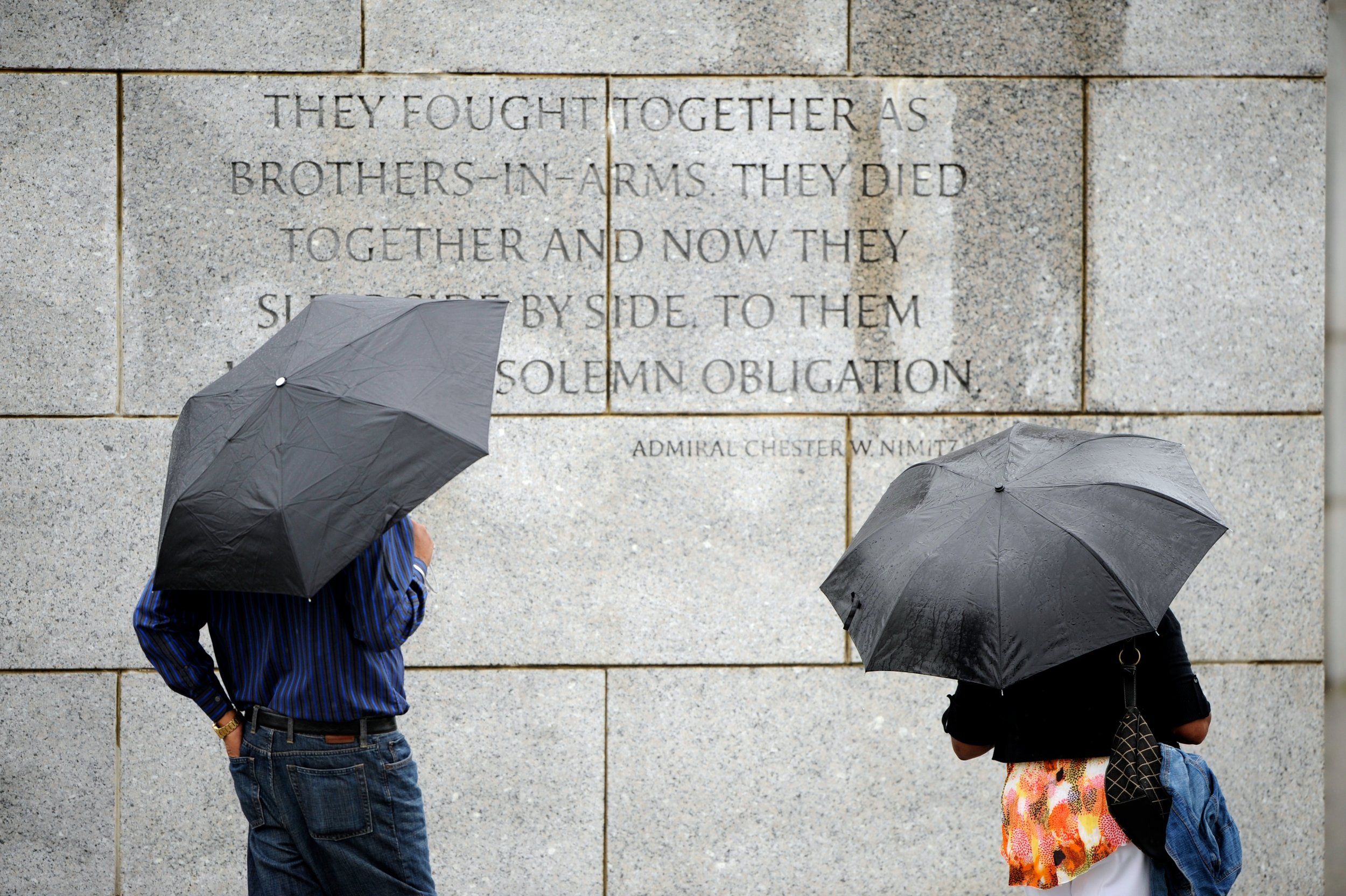
Side by Side
A pair of visitors enjoys a quiet moment at the World War II Memorial despite the rain.